
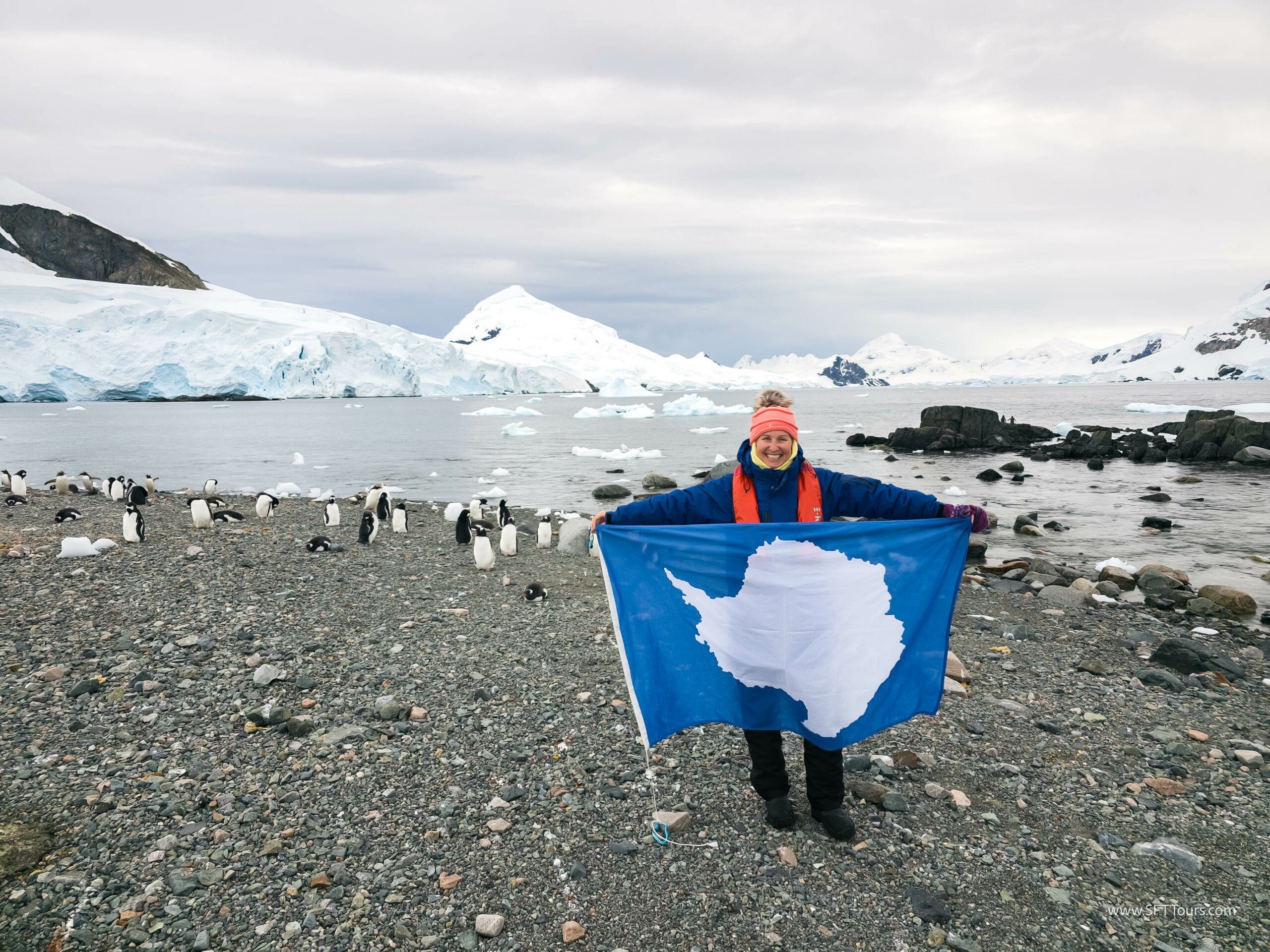
This article is written for solo female travelers visiting Antarctica as part of our Antarctica expedition for women, or on their own.
This isn’t a destination you just casually add to your bucket list – it’s remote, expensive, crazy beautiful, and a trip that takes a lot of prior planning. You may even be reading this 12 + months in advance of your trip.
Antarctica is completely different from any other place on earth, so it’s essential to be properly prepared ahead of your trip. You won’t find cities, cafes, or souvenir shops here, so you can’t just easily pick up something you forget to bring.
Days are shaped by weather, ice conditions, and wildlife, and preparation is important, because “the plan” will always change; Our route and activities will be adapted daily based on ice, weather conditions, and wildlife.
This article will help you understand the history, geography, geopolitical landscape, and restrictions around visiting.
I’ve written a history of the continent, tips for the best time to visit, travel essentials and entry requirements, health and safety advice, ethical considerations, and a comprehensive list of books and movies.
Looking for what to pack? You can find our Antarctica packing list here.
Intro to the history of Antarctica
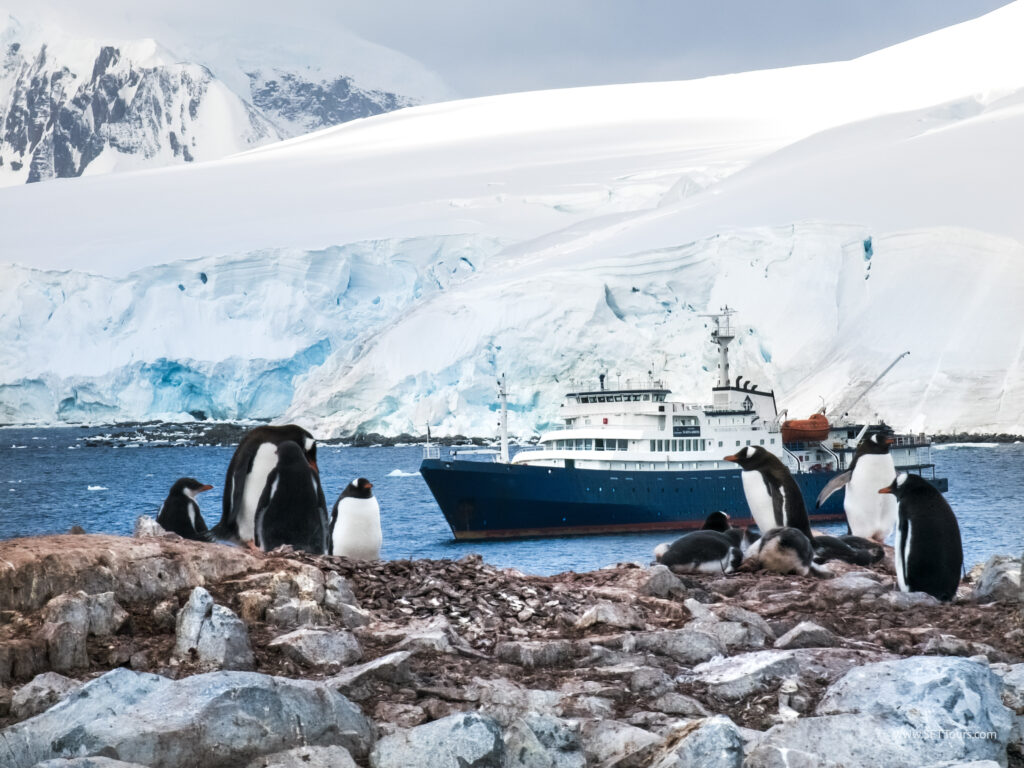
Antarctica was a myth for most of human history. Before the first modern explorers ‘discovered’ it, cartographers and scholars had drawn it onto maps on a guess that it existed, based on scientific logic.
“Who discovered Antarctica” depends on who you ask, but the year was 1820, and several expeditions reported land and ice shelves around the same time.
Russian explorer Fabian Gottlieb von Bellingshausen saw an “ice shore”, and British officer Edward Bransfield and American sealer Nathaniel Palmer also sighted parts of the continent around the same time.
It’s undisputed that the first actual landing (i.e. stepping foot on the continent and not just sailing past), was by a Norwegian whaling party in 1895.
Captain James Cook had circumnavigated Antarctica in the 1770’s, and did come close, but all he proved at the time was that if a southern landmass did exist, it was buried beneath vast ice.
This means that, at the time of writing this article, Antarctica has only been discovered for 205 years.
Once people realized there was “something” down there, commerce followed, and the islands and seas surrounding Antarctica saw a huge seal and whaling economy.
Repeated voyages south meant the world gained much more geographical knowledge about Antarctica, but its wildlife populations really suffered.
And this is one of the most uncomfortable truths about the history of Antarctica, that it was discovered long before the world thought about or took conservation seriously, and that the human population plundered the Southern Oceans hard.
Up until the end of the 1800’s, whaling ships would sail in, and sail out, taking what they could as they sailed past it. But then adventurers like Carsten Borchgrevink, Roald Amundsen, Robert Falcon Scott, and Ernest Shackleton, asked the question:
“What happens if we stay?”

The first expedition to “winter” on the Antarctic continent was the Southern Cross Expedition led by Carsten Borchgrevink in 1899–1900. This matters because winter was a massive test (and honestly still is today) – it means existing through darkness, cold, isolation, and this was the first indication that human life could maintain a sustained presence.
The early 1900s is called the ‘Heroic Age of Antarctic exploration’, and it’s this period of time where you’ll start recognizing names: Amundsen, Mawson, Falcon Scott, and Shackleton.
Amundsen won the race to the South Pole, reaching it in December 1911, and Scott arrived in January 1912. The dates are close, but the end result was not. Scott and his team died on the return journey, and their story became part tragedy, part cautionary tale about planning, supplies, and the brutal honesty of polar conditions.
Fortunately today, we can journey to Antarctica without facing any of the same brutal risk factors, but it’s still incredibly important to underline what Antarctica has always demanded: preparation, humility, and a willingness to accept that nature is in charge (you’ll be told repeatedly on your voyage, to expect that the daily plan will change).
Then in 1914 – 1917 there’s Shackleton, whose 1914–17 Imperial Trans-Antarctic Expedition didn’t achieve its goal of crossing the continent, but became legendary for survival after the ship Endurance was trapped and crushed by sea ice.
His story typically plays on loop on your in-room ship TV, as it has been retold in many modern documentaries and dramas (see our section below on movies to watch about Antarctica).
Mid 20th Century
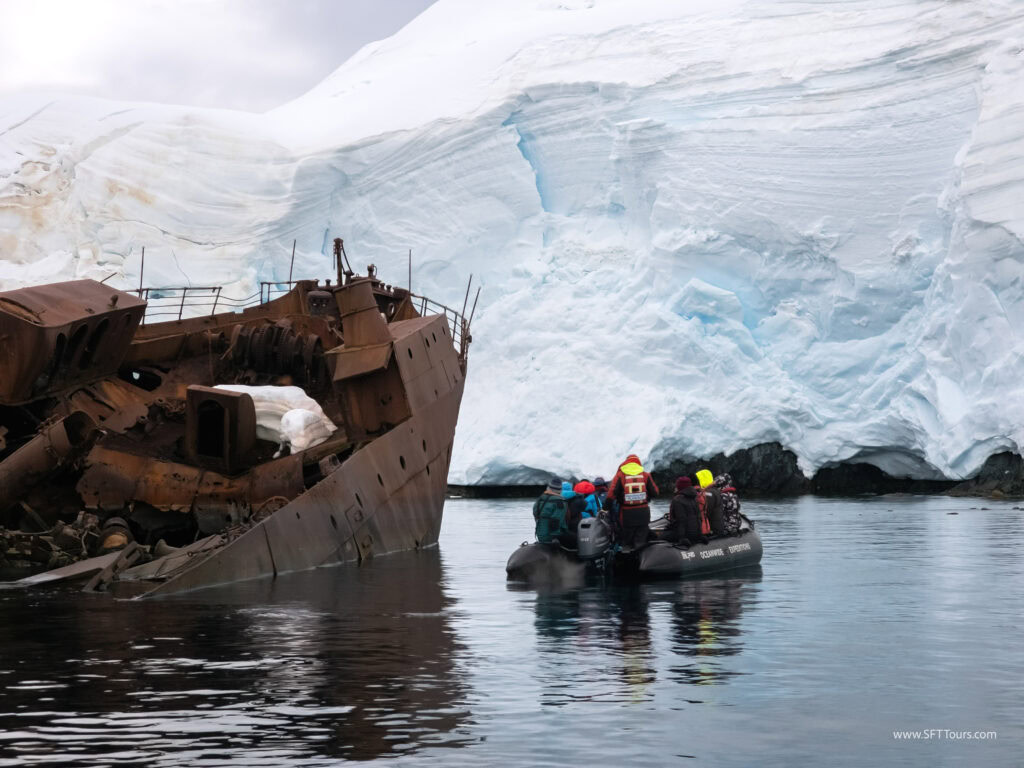
By the mid-20th century, Antarctica’s future stopped being shaped by the ambition of men, and started being shaped by science. In 1957 a coordinated global research effort saw Antarctica become a base for scientific collaboration; multiple countries formed alliance and agreement to conduct research at scale, sharing data and learning how to operate in extreme environments.
Then came one of the most unusual agreements in modern history: the Antarctic Treaty, which you can read in full here. And I say unusual because it was a rare moment in history where the world came together to say “let’s not ruin this”.
12 countries signed the Treaty on 1 December 1959, to set Antarctica aside for peaceful purposes and scientific cooperation, and crucially, put limits around territorial disputes by freezing new sovereignty claims. And since then, 46 more countries have signed on, making 58 signatories.
The treaty didn’t make Antarctica a utopia; there are still, and always will be geopolitics at play. But it did create a framework where research and collaboration could keep happening without the continent turning into a militarized zone.
As human activity increased, with stations, logistics, tourism, and more ships, there was a very urgent need for stronger environmental rules. And that’s where the Protocol on Environmental Protection to the Antarctic Treaty comes in (often called the Madrid Protocol). Find that full protocol here.
It was signed on 4 October 1991 and entered into force in 1998, designating Antarctica as a “natural reserve, devoted to peace and science,” and prohibiting mineral resource activities except for scientific research.
This is one of the most important shifts in Antarctica’s history: the story moved from “Can humans get there?” to “Can humans be trusted there?”. And there are still debates to this day, about whether tourism to Antarctica should be allowed at all (I talk about this below).
“Modern” Antarctica is a strange mix of extremes: intensely protected, yet more increasingly visited; deeply international, yet still tied to national programs; profoundly remote, yet part of the global climate system everyone depends on.
Its history is short compared to most continents and countries, not because it’s new, but because it took humans so long to reach it in meaningful numbers. And once we did, we realized something rare: we had a chance to do things differently.
IAATO, the Association of Antarctica Tour Operators, reports that more than 100,000 tourists now travel to Antarctica annually, mostly with operators that are part of the association and therefore stick to strict conservation practices and rules.
But the continent is still teaching the same lesson it’s always taught. You don’t conquer it. You negotiate with it, and if you’re smart, you treat it with respect and it rewards you with an experience of a lifetime.
Quick facts about Antarctica
Here are some fun and interesting facts about Antarctica to put things into perspective.
- Antarctica is the fifth-largest continent on Earth, bigger than both Europe and Oceania combined. But much of the continent remains unexplored because ice makes mapping difficult, and there are always new discoveries like hidden lakes and valleys under the ice.
- This is the coldest continent in the world, with winter temperatures often below -60°C. It holds the record for the lowest natural temperature ever recorded at -89.2 celsius, or -128.6 fahrenheit.
- 99% of Antarctica is covered by ice that averages nearly 2 km thick, and that ice contains 60-90% of the world’s freshwater locked up in glaciers. If all the Antarctic ice were to melt, global sea levels could rise by about 58-70 metres.
- Despite being covered in ice, Antarctica is officially a desert because it gets so little rainfall. It’s the driest continent on earth, drier than the Sahara (which we visit on our trip to Morocco and Egypt), and some areas haven’t seen rainfall in millions of years.
- Antarctica experiences 24 hours of darkness in winter and 24 hours of daylight in summer. When the sun never sets, it’s called the ‘Midnight Sun’, and when the sun doesn’t rise, it’s called the ‘Polar Night’. You will experience that during our voyage if you choose to camp on the ice one night.
- The Ross Ice Shelf is roughly the size of France and floats on the ocean in Antarctica.
- There are far more penguins than people in Antarctica. The British Antarctic Survey estimates 20 million breeding pairs of penguins in the Antarctic region, which equates to roughly 40 to 44 million individual birds. Emperor penguins are the tallest and heaviest penguin species, standing over 1.2 m tall, though a 22% decline in emperor penguin colonies has been detected in some regions due to shrinking sea ice.
- No polar bears live in Antarctica – they’re exclusively Arctic animals.
- Strange deep-sea creatures, including eyeless sea pigs and giant sea spiders, have been discovered off the Antarctic shelf.
- Antarctica contains ancient ice that’s hundreds of thousands of years old, preserving past climate records, and some of the oldest rocks on Earth have been found here, helping scientists understand early planetary history.
- There are around 70-80 research stations in Antarctica, operated by over 29 countries, with some open year-round and others only during the summer, supporting a seasonal population of scientists that swells from around 1,000 in winter to over 4,000 in summer. Antarctica has no official time zone, so stations use whatever time is most practical.
- The word “Antarctica” comes from Greek meaning “opposite the Arctic.” Ancient Greek scholars like Aristotle used the term Antarktos to describe a theoretical southern landmass that would balance the Earth’s known northern lands.
- No country owns Antarctica; it’s governed under an international agreement called the Antarctic Treaty, which preserves the whole continent as a place dedicated to peace and science.
- More than 125,000 tourists now visit Antarctica every year, with numbers having skyrocketed from just a few hundred in the early 1990s to over 100,000 in the 2024-2025 season. The majority of these visitors travel by ship as we will, during the Antarctic summer (October to April) and 98% stay on the Antarctic Peninsula.
- Not all the visitors to Antarctica set foot on the continent. About a third of visitors do so on cruise ships and observe the landscapes and wildlife from the ship. Any ship that carries more than 400 passengers is not allowed to land.
- There are around 600 landing sites on the Antarctic Peninsula where ships are allowed to let guests disembark.
- A maximum of 100 people can be at any given point at one of the landing sites. This means that if you are on a ship that carries more than 100 people, your time on land will be limited while if you visit on a ship of 100 people like ours, your landing time can be the maximum possible which can run up to 3 hours. It also means that the various ships must submit their schedules in advance of the season and must re-adjust on a daily basis due to the weather and other ships so that no two vessels land on the same site at the same time.
- Most visitors to Antarctica sail to the continent from Ushuaia in Argentina, and across the infamous Drake Passage, but about 10% fly in.
- Only 10% of the visitors to Antarctica are solo travelers owing to the fact that most companies charge a 70-100% single supplement when not having someone to share the cabin with.
Antarctica travel tips

In this section, we will discuss various travel tips that will come in handy during a visit to Antarctica.
When to visit
Antarctica is only accessible during its summer, which runs from late October through March. Outside of this window, sea ice makes travel impossible and expedition ships don’t run.
Each part of the season feels different, so the “best” time really depends on what you’re hoping to see. There’s really no bad month for the Antarctic summer, just different highlights.
Here we’ve broken down the summer months, so you can pick a timeframe based on what you want to see. We love December / January for our tours.
October to November (early season)
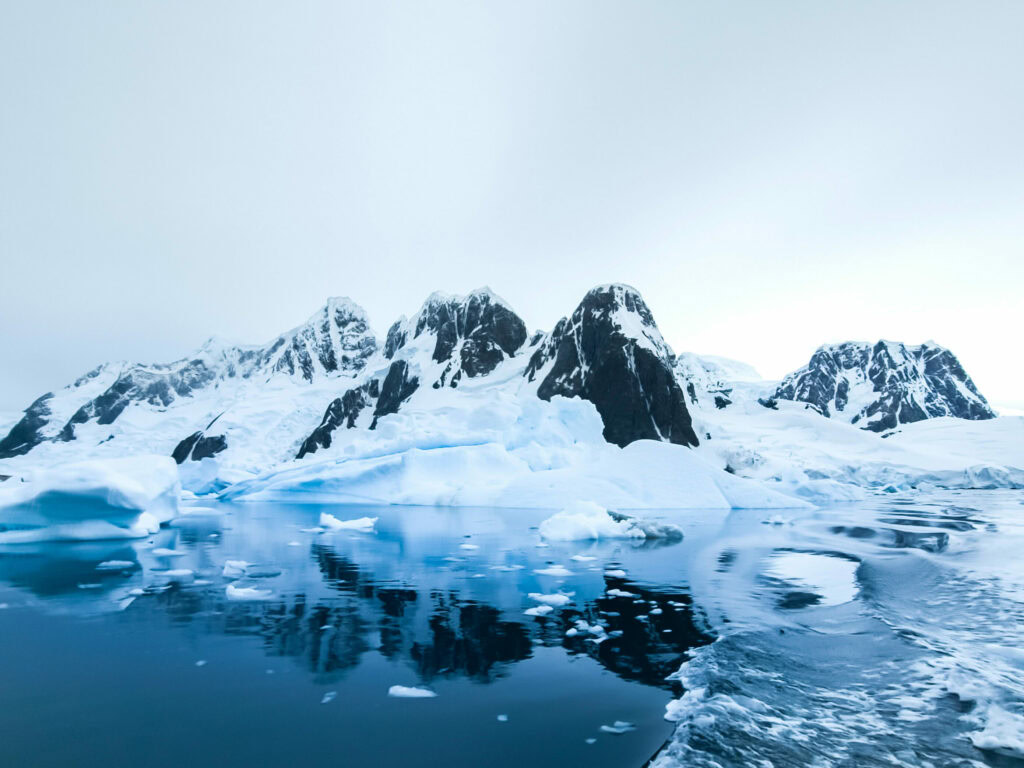
This is Antarctica at its most untouched. Snow blankets everything, icebergs look freshly sculpted, and there are fewer ships around, which means fewer visitors overall.
The temperatures are colder, but you do get very clear conditions for enjoying the landscapes and scenery.
This is breeding season, so you’ll see adult penguins returning to colonies, courting, nesting, and protecting eggs. Seals are often hauled out on ice floes, and seabirds start to reappear after winter. What you won’t see yet are penguin chicks or consistent whale activity – most whales are still migrating south and haven’t arrived in numbers.
As the ice may not have melted across, access to some areas is limited to the weather condition more so than in other months. Arriving further south is usually not possible at this time yet.
December–January (peak summer) – our choice
This is the most popular window, and for good reason. There are long daylight hours (close to 24 hours of light), and the temperatures are slightly warmer, between 0°C to +5°C (32°F to 41°F) on warmer days.
The seas are calmer on average, which means wildlife activity is at its peak (though so are ships, tourists, and prices).
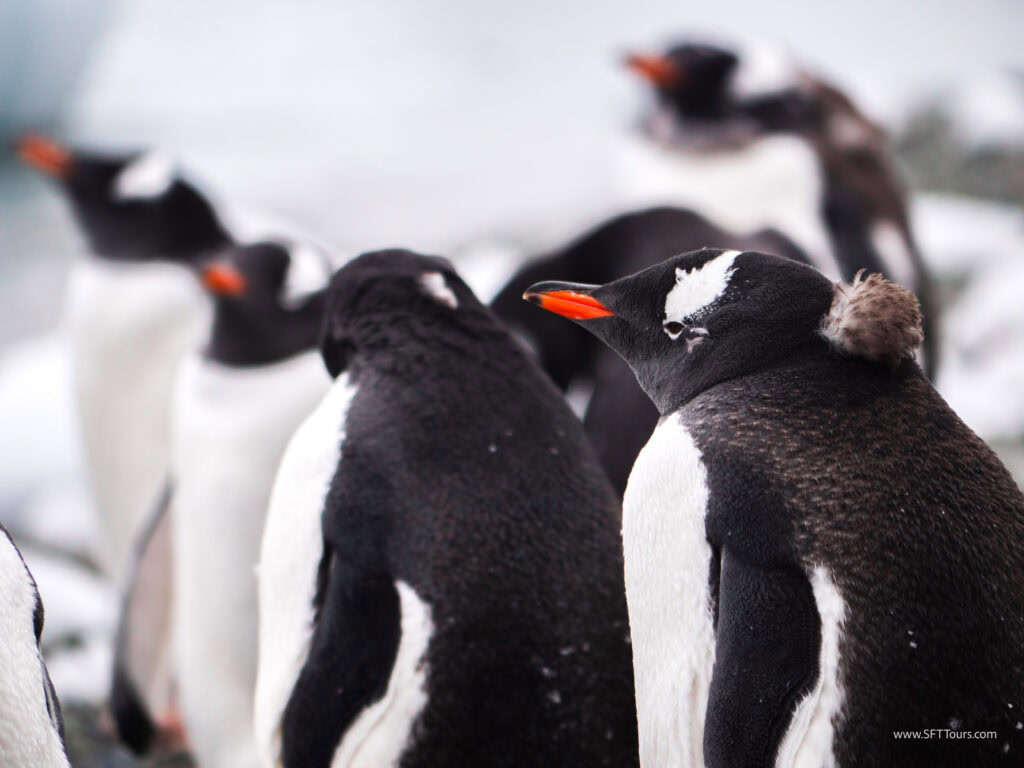
Penguin colonies are at full volume, with chicks hatching and parents busy feeding and guarding them. Seal sightings are strong, especially around landing sites, and whale encounters begin to increase as feeding season ramps up. This is the best window for seeing active penguin rookeries, and babies towards the second half of January, but it’s still a little early for peak whale concentrations.
February–March (late season + peak whales)
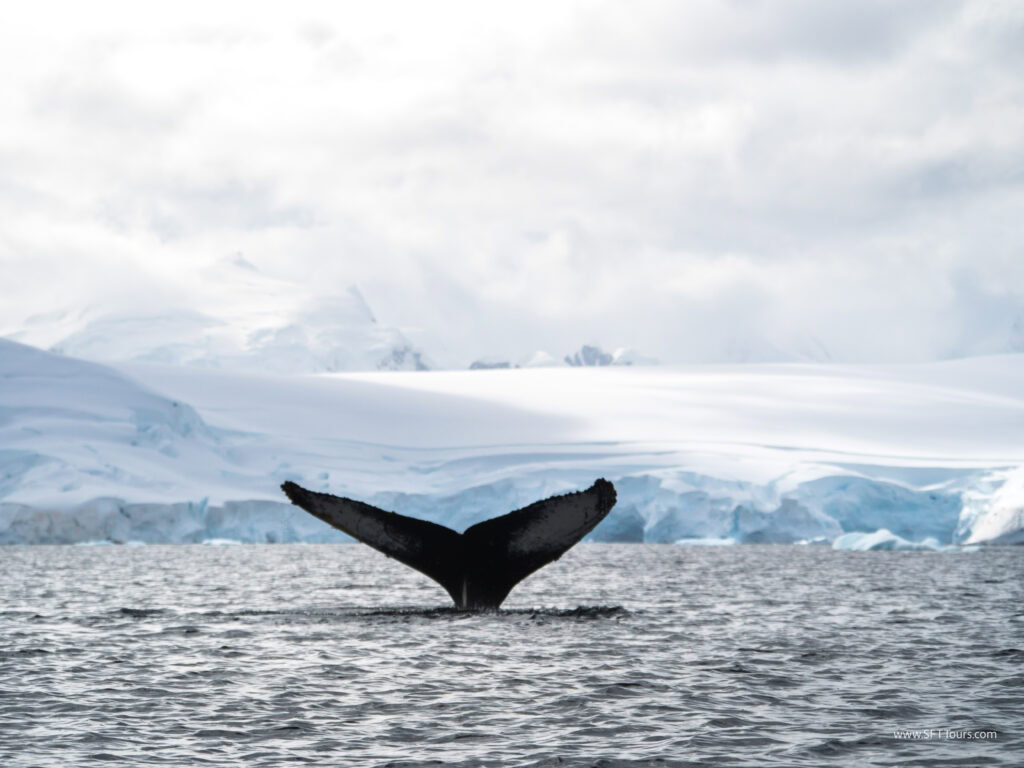
Late summer brings a different kind of magic, and is the perfect time if you want to maximize your whale sightings. I’ve traveled in February before, and whales were surfacing right next to our zodiacs. Humpbacks and other species will commonly feed close to ships and Zodiacs.
Penguin chicks are larger and more independent, often gathering in creches, and playing and running around, making their parents go mad, while many adult penguins begin molting later in the period.
You won’t see eggs or tiny newly hatched chicks anymore, and the snow (and smell) around penguin colonies is no longer pristine, but you will get richer marine wildlife encounters and a quieter feel as visitor numbers drop.
There are fewer crowds than mid-season, and much softer light for photography.
Passport and visa requirements

Most travelers heading to Antarctica will depart from Ushuaia, Argentina, though there are also expeditions which leave from Hobart, Australia and Punta Arenas in Chile. Your passport and visa requirements depend on which gateway city you use, so it’s important to know which one applies.
Most tourists to Antarctica leave from Ushuaia, because it sits much closer to the Antarctic Peninsula. The shorter distance allows for a more direct Drake Passage crossing, reduced fuel costs, greater itinerary flexibility, and a far wider choice of sailing dates.
Departures from Hobart typically head to East Antarctica and mean you’re crossing the Ross Sea, which is significantly more challenging, and takes 22-35 days to cross, instead of 2. So these voyages are far less common, much longer, more expensive, and are typically research-led expeditions with a scientific focus. You can read more about the scientific departures from Australia at antarctica.gov.au
Our tours leave from Argentina (Ushuaia):
You’ll need a passport valid for at least six months beyond your return date, with at least one or two blank pages.
Argentina allows most countries to enter for up to 90 days, without having to apply for a tourist visa, including the USA, UK, Canada, Australia, NZ, and the EU. However, countries like China, India, and many African/Middle Eastern nations do require a visa, so it’s important to check in advance of your trip.
Here is the complete official list to find out if you need one.
If you do need a visa to visit Argentina, contact the Argentine embassy or consulate in your home country for information on the required documents, forms to complete, and processing times.
Here is the official visa website to apply.
If you depart via Australia (Hobart, Tasmania)
For sailings leaving from Hobart, you’ll enter and exit through Australia, so standard Australian entry rules apply; all travelers to Australia except for New Zealand citizens, need to obtain a visa or travel authorization.
European Union citizens, travelers from the US and Canada can obtain an Electronic Travel Authority (ETA) for tourism, but other nationalities may need to apply for an actual visa.
To apply for an ETA, you need to download the ETA app from the Department of Home Affairs website. Upload your documents and you should be approved within 72 hours. Your ETA is valid for 12 months with unlimited entries for a maximum of 90 days each.
To confirm your requirements and the type of visa you need, check the official Government website here.
Health & Safety
Antarctica is remote, and there are no pharmacies or clinics you can just drop into. Small things like a blister, sunburn, and dehydration can feel bigger when you’re wet and cold, so preparation can be the difference between being miserable, or actually enjoying your time.
Any major health problem, disability, or physical condition that may require emergency care must be brought to the attention of the ship before your voyage. We will send our guests a personal information form (PIF) to complete before you travel, at least 3 months before departure, and other companies do the same.
You should be physically capable of doing the booked activities and shore and Zodiac excursions. Safety is always the first priority of the team onboard, and if they have any concerns over your fitness / ability, you may not be allowed to participate in some excursions/activities.
Bring all the medication you need
Pack as if you won’t be able to buy a single thing once you board (because you usually can’t).
Bring enough of every prescription medication for the entire trip + a buffer (delays happen), and keep it in your carry-on, not your checked bag.
I would also add a small “Antarctica kit” of the boring-but-useful stuff: pain relief, antihistamines, anti-nausea meds (more on that below), electrolyte sachets, blister care, bandaids, and anything you personally rely on (migraine meds, inhalers, EpiPens, etc.).
Most ships do have a medical doctor onboard, but they are there for small emergencies and carry minimal drugs, and you don’t want to be hunting for your exact brand or dosage in the Southern Ocean. Anything you bring needs to be legally cleared to enter Argentina, as this is where you will pass customs.
Seasickness (especially for crossing the Drake Passage)
Let’s talk honestly about seasickness, because it does happen, and it’s the most common question we get from guests wanting to book our voyage.
When I woke up on the first morning of our crossing of the drake passage, the overnight staff had strategically placed easy-to-access sick bags along all of the indoor hand rails.
On our tour we cross the Drake Passage, and sometimes it lives up to its nickname “Drake Lake, ” which means the crossing is smooth, and you’re wondering what the heck people complain about.
Other times, it earns the name “Drake Shake”, for the roughness of the waves. You don’t get to pick which one you get, but you do have options if the sea gets choppy.
In reality, only a small percentage of people get truly sick on any trip, but many may feel the effects while others are fine. The majority of the people on both my and Mar’s voyages were ok by the time the ship reached Antarctica.
If you’re particularly susceptible to motion sickness, talk to your doctor before your trip and don’t wait until you feel sick, take it as soon as the ship departs from Ushuaia, by which time there will only be 5 hours until we reach the Drake as soon may need a few hours to take effect.
Pro tip: Test the medication at home before the trip, some options can cause drowsiness, dry mouth/eyes, or other side effects. Your doctor will prescribe the best option for you.
Below are the main over the counter remedies, but please consult with your General Doctor at home to decide which options are right for you and your health.
- Motion sickness tablets (antihistamines) – effective for mild to moderate motion sickness, but they often cause drowsiness, dry mouth, or brain fog. Some people feel totally fine on them. I personally feel like I need a nap and a quiet corner, so do consult your doctor.
- Ginger (capsules, chews, tea). Ginger helps settle nausea for many people and is gentle and doesn’t cause drowsiness, so it’s a good supportive backup.
- Acupressure wrist bands – these apply pressure to the P6 (Neiguan) point on your wrist and are drug-free. Some travelers swear by them, others feel no difference at all.
- Electrolytes + light snacks: This sounds basic, but it matters. Dehydration makes nausea worse, and an empty stomach can too. Sip water regularly and aim for small, bland meals: crackers, toast, soup, rice, bananas. Heavy or greasy foods tend to backfire during rough seas.
- Motion sickness patches: These have quickly become the most common and popular remedy and almost everyone took them from the doctor on Mar’s voyage, including herself, just in case. They can cause eye pressure and dryness which may be uncomfortable, and require a prescription so you’ll need to talk to your doctor. The onboard doctor on the vessel had them for sale, but by the time she opened her consultation after dinner on the first day, we were almost in the Drake Passage already so it pays to come with them from home.
The good news is that most people bounce back quickly once they reach Antarctic waters, and I barely remembered the crossing once I was standing on ice watching penguins wander past.
Insurance with medical coverage
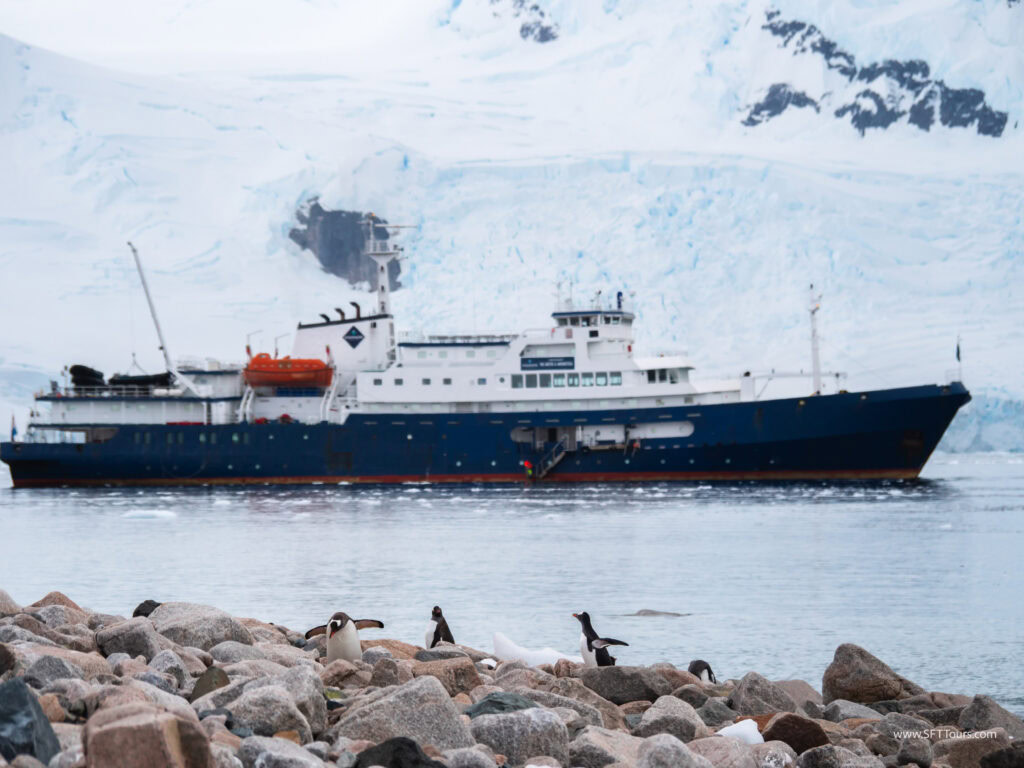
This isn’t the part to skim.
Antarctica is remote, weather-dependent, and a long way from major hospitals. Even though expedition ships carry medical staff, anything minimally serious requires evacuation by ship or aircraft, and that’s where your costs will escalate.
This is also the moment when the ship will have to return home with everyone on it. While rare, these situations do happen, and the crew will advise of that and remind everyone several times throughout the voyage. While some emergencies are unavoidable, others are not, so being careful with your step means you, and everyone else, gets to enjoy the adventure until the end.
For our guests, Oceanwide Expeditions won’t allow you to board without proof of appropriate insurance. At a minimum, your policy needs to include:
- Emergency medical treatment
- Medical evacuation – minimum of EUR/USD 100,000 per person
- Repatriation back to your home country
- Explicit coverage for cruising activities, and polar / remote regions
Also check whether your insurer requires you to pay upfront and claim later, or whether they coordinate evacuation directly, because this really matters.
Keeping dry and warm
Cold-weather clothing is a personal choice, but keeping dry and warm will have a direct impact on your health while in Antarctica, and means preventing hypothermia.
Most expedition companies, including Oceanwide Expeditions, require all guests to wear waterproof clothing (a waterproof jacket and trousers) for all activities, including Zodiac excursions, and it’s worth noting that water-resistant or water-repellent treated clothing doesn’t cut it. If you don’t bring it, you will not be allowed off the ship. This is a non-negotiable.
Read our full packing list here when you begin to start planning your clothing.
Sunburn & Dehydration
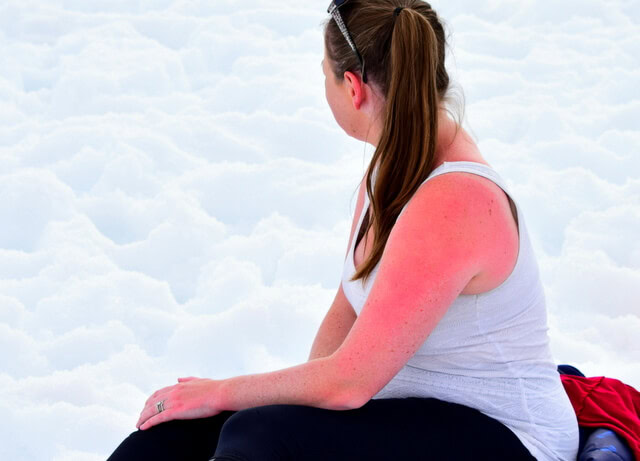
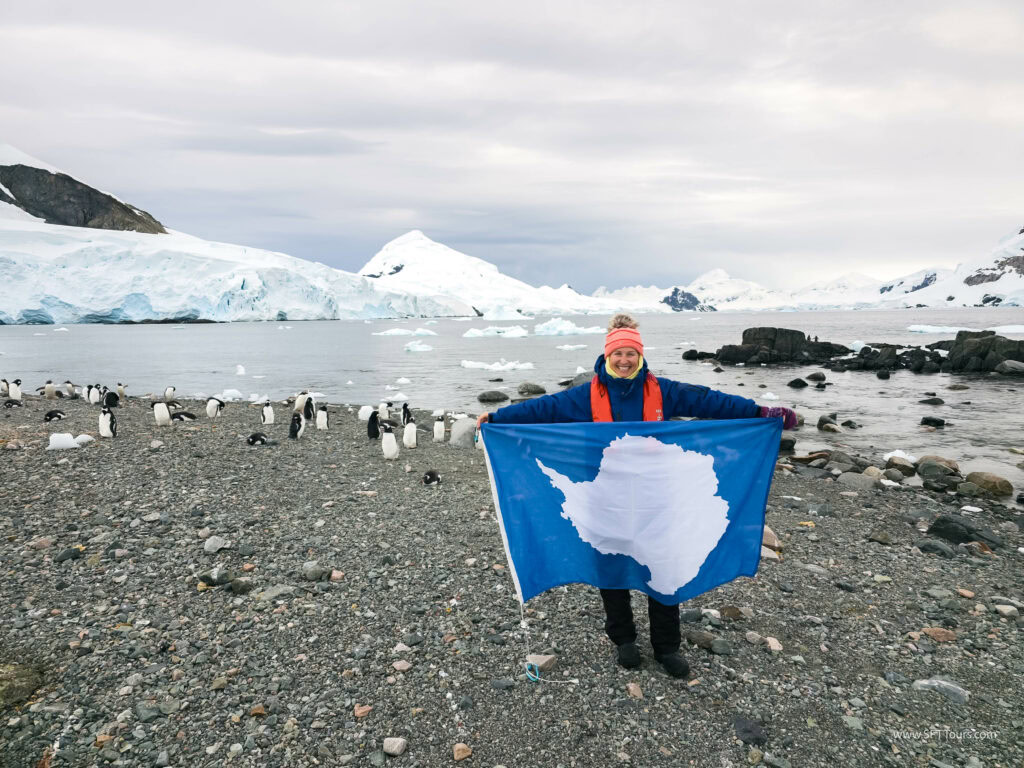
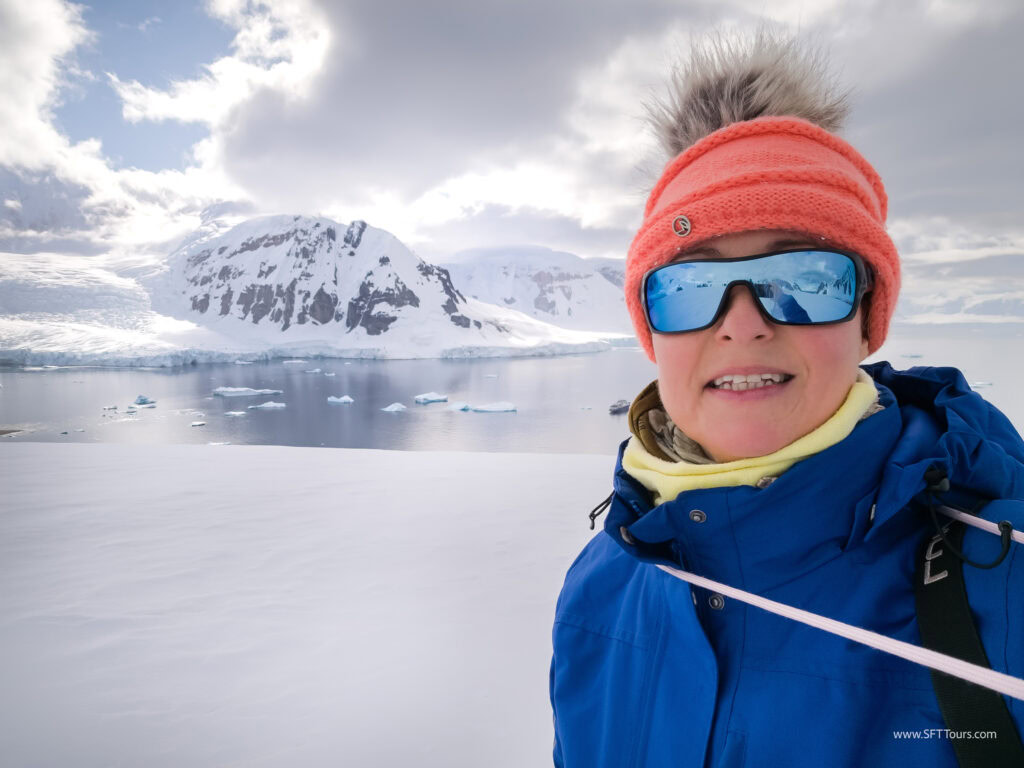
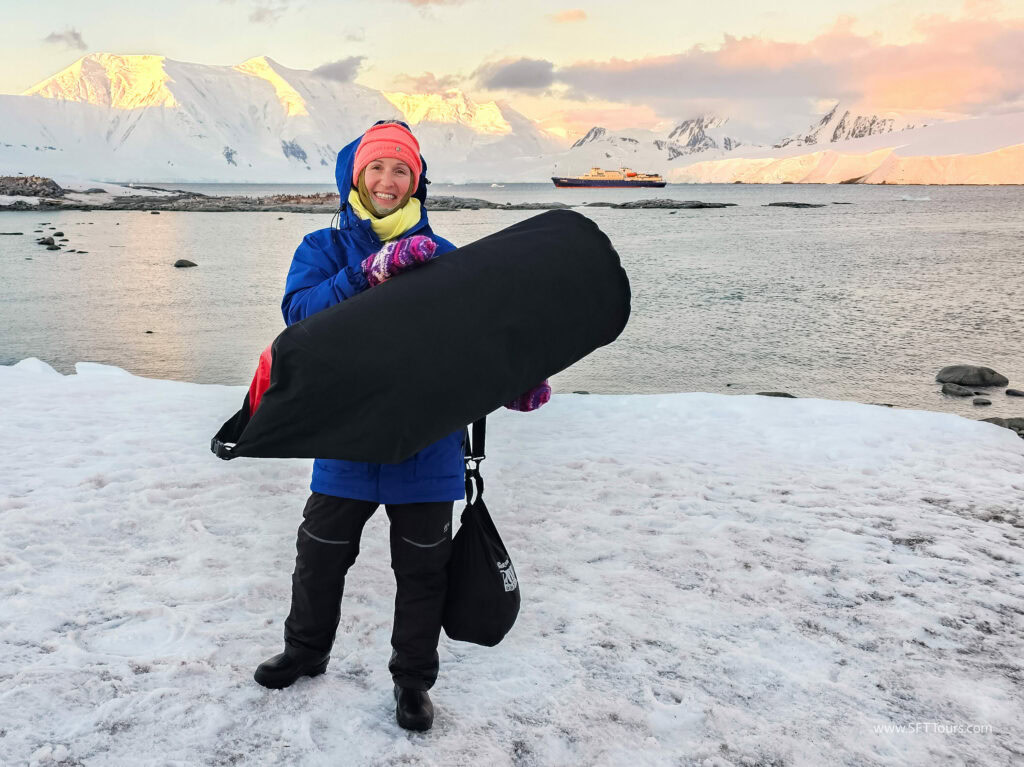
I personally got sunburned while in Antarctica (real photo above), and this may sound strange since we’re talking about sub-zero temperatures, but sunburn and dehydration are two of the most common issues expedition doctors see.
Ice actually makes the risk of sunburn worse, and Antarctica’s sun hits differently. Snow and ice reflect UV light, which means you’re effectively getting sunlight from above and below at the same time. With long daylight hours, clear skies, and wind that masks how strong the sun feels, and it’s easy to burn without realizing it.
Faces, noses, lips, ears, and even the underside of your chin are especially vulnerable. So I highly recommend applying SPF 50+ sunscreen every morning, even if it’s cloudy, reapplying after Zodiac rides, using SPF lip balm (lips burn fast in cold wind), and wear UV-protective sunglasses or goggles to protect against glare and snow blindness.
Dehydration is also something to consider, because cold weather hides thirst, while layers, dry air, and physical activity quietly increase fluid loss. Between Zodiac landings, walking on uneven terrain, and warm ship interiors, dehydration sneaks up quickly.
I recommend carrying a reusable water bottle and sip regularly, drinking warm fluids (tea and soup absolutely count), and adding electrolytes if you’re prone to dehydration or seasickness.
Follow ship & staff safety instructions
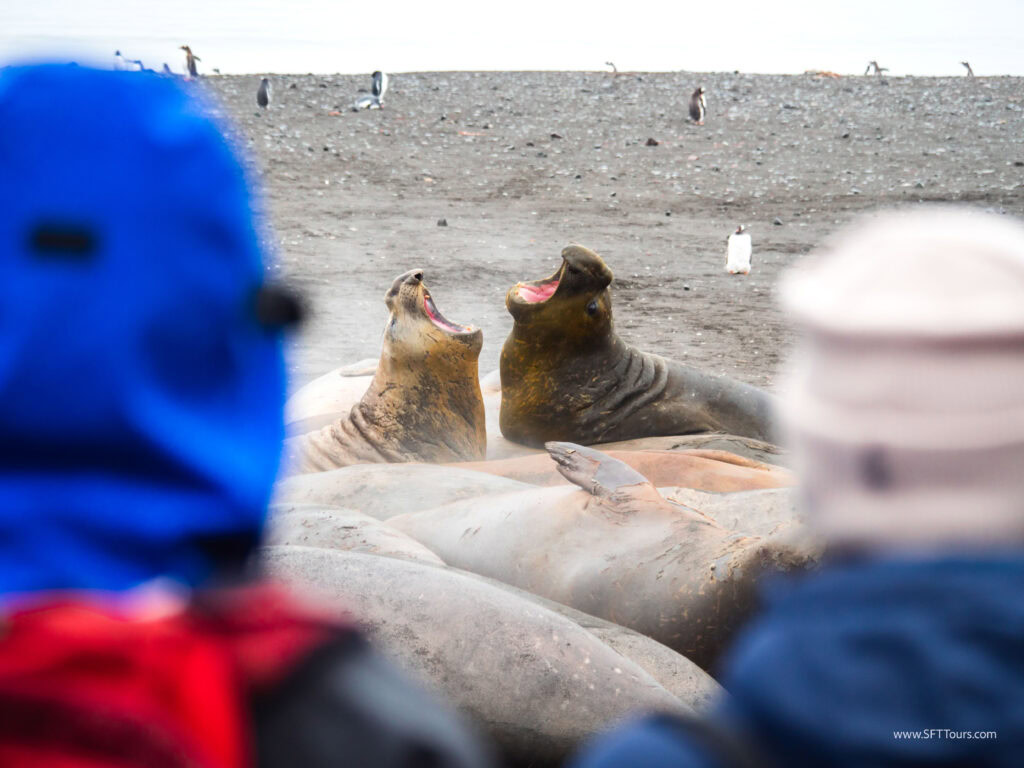
There’s no crime on Antarctica to worry about like you would in other destinations around the world, but your safety will be directly tied to listening to your expedition crew and following their instructions.
Your expedition team does this for a living. They know the ice, the weather, the boats, and the ship, so when they ask you to do something (or not do something), it’s based on experience.
Pay attention to the mandatory drills (yes, everyone does them), and at the start of your voyage you’ll do the life jacket and lifeboat drill to know what to do in an emergency. There might also be additional fire drills, and it’s important to treat these seriously.
A simple rule I heard often is: One hand for yourself, one hand for the ship.
This means to always keep a hand free when walking, especially in corridors and stairwells. And from experience, when passing through doorways or inside your cabin, never put your fingers on door frames – a sudden lurch can slam doors unexpectedly.
You’ll need to sign on and off the ship every time you leave or return, using your cabin keycard, so you’ll keep this with you at all times. This is a safety net so the crew always knows who’s onboard and who’s not; we don’t want to leave you in Antarctica to brave the winter like early explorers.
The crew will also inform you of Zodiac specific rules (these matter), which are the small rubber boats that take you from ship to shore.
When you head out for time onshore, stick to flagged routes and designated walking areas, even if there’s something interesting just beyond the markers. Snow can hide uneven ground, slippery rocks, or soft spots, and some coastal areas are prone to sudden ice movement.
The crew read the ice, wildlife behavior, weather shifts, and landing conditions daily. When they ask you to move, wait, regroup, or change direction, it’s because they’re managing safety across the entire group.
Wildlife specific safety
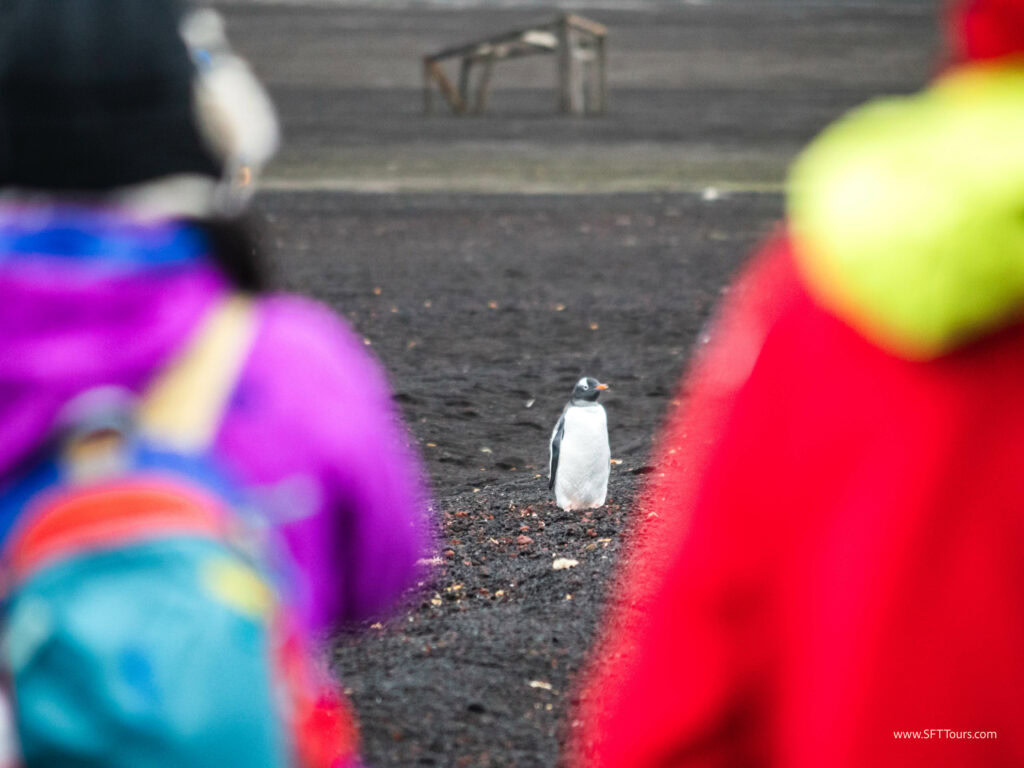
Wildlife safety can be summed up by two principles: Respect the wildlife by observing them only from a safe distance, and listen to the instructions from your expedition leader.
One of the most magical parts of Antarctica is how close wildlife will come to you. Penguins are curious and can walk literally right next to your boots, seals were napping right by our landing sites, and whales would surface less than a meter from our Zodiac.
This type of experience is unforgettable, but it comes with responsibility; Antarctica’s animals aren’t tame, they are unafraid, and it’s our job to keep it that way.
It’s important to keep your distance from wildlife at all times, even when they approach you, and they will approach you. One thing that surprised me was how close animals will actually come to you, but if a penguin waddles past, or a seal lifts its head, stay still and let them pass. Don’t step toward them for a better photo. Don’t crouch into their space. Don’t block their path.
Your expedition guides will set a minimum distance for you to follow, and remind you not to touch or feed the wildlife, as human contact can stress the animals, transfer bacteria, and disrupt their natural behavior.
Travel essentials for Antarctica
In this section we will look at a range of other things to consider when traveling to Antarctica as a solo female traveler.
Plugs & power
Check with your specific ship which power supply you will have access to. On our expedition with Oceanwide, the power supply is 220v, 50Hz. The wall plugs are standard European, with two thick round pins. American passengers may need a 220v/110v converter.
Staying connected
Antarctica is not the place to be streaming, taking Zoom calls, and you won’t be able to Insta scroll in bed. I came home to 400+ emails after being offline for my trip.
Free Wi-Fi is available on board Oceanwide ships with a daily allowance. You can purchase more if you need it.
Once you leave South America, regular mobile phone service disappears completely, as there are no cell towers on the continent, and roaming doesn’t work at sea.
I recommend:
- Download maps, books, podcasts, and playlists before you leave port, for the long crossing, though I found there were enough activities and talks onboard to keep us busy.
- Turn off automatic photo backups and app updates on your phone.
- Keep your expectations gentle – some days you’ll have better signal than others. I’ve found that struggling with slow WiFi is often more infuriating than just accepting you’ll have no WiFi at all.
Money and currency
Antarctica does not have an official currency, so the currency you need will be dependent upon the nationality of your ship.
On our voyage with Oceanwide Expeditions, refreshments and souvenirs from the ship will be charged to your cabin. The day before departure, you can settle your bill with the hotel manager.
All major credit cards are accepted, along with UnionPay, or cash. The prices and standard currency on board is the euro.
Tipping: The customary tip for the ship crew is made as a blanket contribution in one envelope at the end of the voyage, then divided among the crew and staff. Tipping is a personal choice, and the amount you give is at your sole discretion, but we advise 15 EUR / USD per guest, per day.
Language
For our time in Antarctica, English is our ship’s language and is spoken by all staff and crew.
For our time in Argentina pre and post voyage, the official language spoken is Spanish. Here are some basic Spanish words to know before you go:
Hello – Hola (OH-lah)
Good morning – Buenos días (BWAY-nos DEE-ahs)
Good afternoon – Buenas tardes (BWAY-nas TAR-dess)
Good evening – Buenas tardes (BWAY-nas TAR-dess)
Good night – Buenas noches (BWAY-nas NO-chess)
Thank you – Gracias (GRAH-see-ahs)
You’re welcome – De nada (day NAH-dah)
Please / Help – Por favor / Ayuda (por fah-VOR / ah-YOO-dah)
Sorry / Excuse me – Perdón / Disculpe (per-DON / dis-KOOL-peh)
Excuse me (to pass by someone) – Permiso (pair-MEE-so)
Meals in Antarctica / Argentine Cuisine
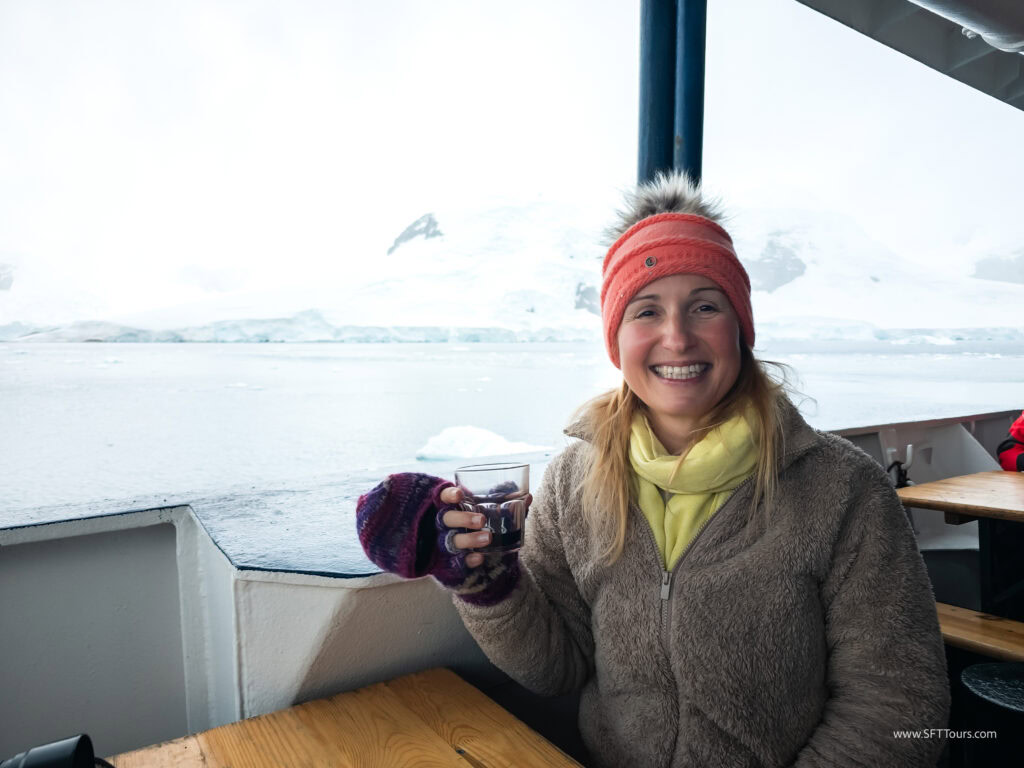
There is no ‘local’ cuisine in Antarctica. There are no restaurants, cafes, street food stalls, or regional specialties, as all your meals will be taken onboard.
What that means is that your food experience is shaped by your operator, not the continent itself. Most Antarctic ships serve international-style buffet or plated meals, with a mix of Western comfort food and global dishes, plus vegetarian and special-diet options if you’ve informed them in advance.
On our voyage with Oceanwide, all meals will be announced on the ship, with breakfast buffet starting from 7.30 am, lunch buffet at 12:30, and plated dinner at 19:00. The dinner menu will be shared at lunch time so the staff can take your orders. Guests with special dietary requirements will be provided food directly by chef at every meal, or told what fits their needs from the buffet.
If you’re departing from Ushuaia, that’s where you’ll find your “local food moment” – Argentine classics like empanadas, grilled meats, fresh seafood, and dulce de leche desserts are worth a try.
Here are a few dishes you have to try during your time in Buenos Aires or Ushuia before you sail:
Empanadas: Empanadas are Argentina’s ultimate comfort food, and you’ll find them everywhere from bakery counters to sit-down restaurants. It’s a golden pastry pocket filled with seasoned beef, chicken, ham and cheese, or vegetables, usually baked (sometimes fried) and served warm. Each region has its own style, but the classic beef version often includes onion, spices, and sometimes olive or egg. They’re perfect when you’ve just landed, jet-lagged and hungry, because they’re quick, affordable, and genuinely amazing.
Asado (Argentine barbecue): Asado is a famous barbecue tradition, where cuts of beef, pork, and sausages are slow-cooked over open flames or hot coals. It’s a delicious range of tender steaks, juicy ribs, and smoky chorizo, usually served with chimichurri (a parsley-garlic sauce) and simple sides like salads or potatoes. Meals are social and slow and about the conversation with friends as much as it is about what;s on your plate.
Milanesa: This is a thin slice of beef (sometimes chicken) coated in breadcrumbs and fried until it’s crisp, usually served with fries, mashed potato, or salad. Some versions come topped with tomato sauce and melted cheese, and it’s familiar, filling, and ideal if you want something dependable after a long travel day.
Choripán: This is a street-food sandwich of grilled chorizo sausage in crusty bread, with chimichurri or salsa criolla. You’ll find it everywhere from small stalls or casual eateries, especially near our ports or busy areas. It’s messy, but it comes wrapped in paper, and I found there are always napkins close by.
Alfajores (with dulce de leche): Save some space for dessert! These are soft sandwich cookies filled with dulce de leche (caramel-like spread made from milk and sugar) and coated in chocolate or dusted with powdered sugar. They’re sold everywhere, and they make for really great gifts for your family back home, especially since there are no souvenir shops on Antarctica itself (mine didn’t survive the journey home though!).
Antarctica Photography tips
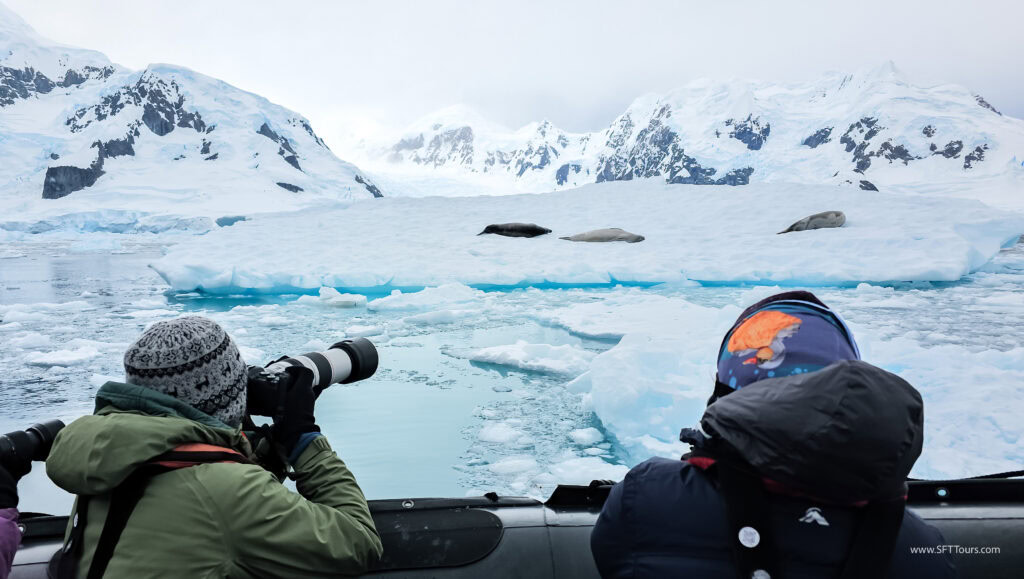
There are no souvenir shops on Antarctica, and you’re not allowed to bring anything home with you from the environment, like rocks, shells, or feathers (removing environmental materials from Antarctica is prohibited under the Treaty). Oceanwide Expeditions has a shop where merchandise and postcards are sold but otherwise, photographs are going to be your memories from the trip.
But taking photos in Antarctica is a unique experience, so here are a couple of tips:
- Respect wildlife before chasing the shot: If a penguin wanders into your frame, great. If it doesn’t, don’t move closer.
- Never step toward animals for a better angle, block their path, or crouch into their space. Let wildlife approach you if they choose, keep your distance, and follow guide instructions at all times. The best photos usually come from patience, not proximity.
- You’ll be boarding Zodiacs, walking on uneven ground, and dealing with wind, spray, and gloves, so make sure that all your photography gear is secure. Using a backpack is better than loose camera bags.
- Pack spare batteries, because the cold drains them faster, and memory cards, you will not believe the amount of photos and videos you can take in 15 days!
- No drones: The International Association of Antarctic Tour Operators (IAATO) prohibits the recreational use of UAVs quadcopters / drones, and Oceanwide Expeditions does not allow them, regardless of whether you hold a personal permit.
After all of that, I encourage you to put the camera down sometimes. Some of my most powerful Antarctic moments weren’t through my lens, they were the sound of ice shifting, the stillness of a landing site, the way light changes across a glacier, all observed through the windows in the lounge.
I’m glad I took my photos, absolutely. But I’m also glad that I gave myself permission to just stand there too.
One thing I did notice in Antarctica was that my camera wanted to turn all that white into grey. Snow and ice reflect huge amounts of light, which often tricks automatic settings into underexposing your shots.
If you’re shooting in Auto or Aperture Priority, dial in +1 to +2 exposure compensation. This tells your camera that yes, the scene really is that bright. Without this, you’ll often end up with dull, grey snow instead of clean whites.
And I recommend using a high shutter speed for wildlife. Aim for 1/1000s or faster for wildlife and boat shots, and 1/500s minimum for walking penguins or seals. This helps freeze motion and keeps images sharp when the boat is rocking.
Bright days let you stay at ISO 100–200, but cloudy conditions or late-evening light may push that higher. Don’t be afraid of ISO 400–800 if it means getting the shot – a little grain beats blur every time
And don’t overthink your white balance; auto white balance usually does a decent job in polar environments. If your photos start looking too blue, try the cloudy preset that most cameras have these days for warmer tones. Or adjust in editing later.
Honestly though, phones work brilliantly too, maybe not for far away wildlife, but landscape shots were coming out perfectly on my phone. And when Mar came back with her camera and phone photos, the phone ones were just so much better while the camera photos were really hard to edit.
I would recommend for phone shots, that you tap to focus and slide exposure up slightly, clean your lens often (salt spray sneaks up on you), and use HDR sparingly – it can flatten contrast on icy scenes.
How expedition tourism supports conservation
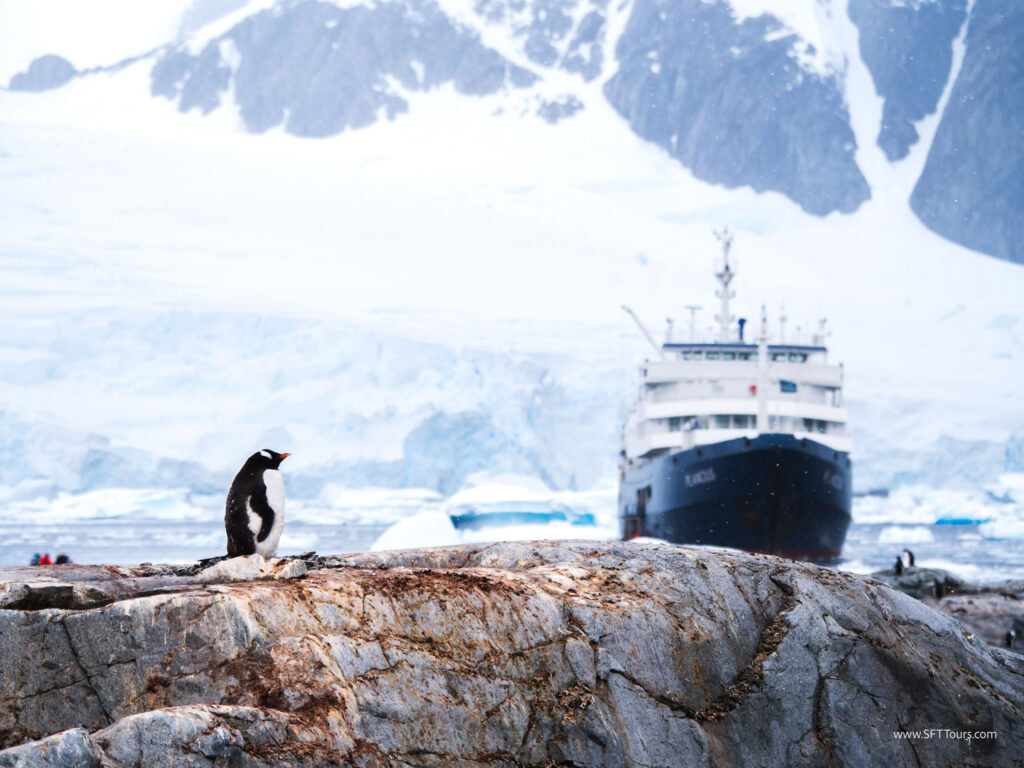
When we announced we were running tours to Antarctica, we received some feedback from members of our online community and newsletter, that traveling to Antarctica wasn’t responsible at all, and that tourism should be banned completely.
However, it is our belief at Solo Female Travelers, that when done responsibly, expedition travel to Antarctica can actively support its protection.
This is possibly a topic you may face with friends and family too, so I am including it here so you have information to facilitate that discussion.
Modern Antarctic tourism operates under strict international guidelines designed to minimize impact while maximizing education and scientific cooperation. Most reputable operators are members of the International Association of Antarctic Tour Operators (IAATO), which our operator, Oceanwide Expeditions is. See iaato.org
This sets limits on landing numbers, enforces wildlife distance rules, manages biosecurity protocols, and coordinates schedules so sensitive sites aren’t overwhelmed, as we mentioned in the fact section above. These standards exist specifically to keep Antarctica wild.
Market forces also shape visitor numbers and the 2024-2025 season saw a drop in numbers from 124,000 visitors the previous year to 107,000.
Your presence also helps fund conservation in practical ways.
Visitor fees, port charges, and operator contributions support environmental monitoring, site management, and ongoing research. Many expedition ships host onboard scientists or collaborate with research programs, collecting data on whale populations, seabirds, sea ice, and climate indicators while voyages are underway.
Just as importantly, travelers become witnesses.
Seeing Antarctica firsthand changes people. Guests leave with a deeper understanding of climate systems, ocean health, and how fragile polar environments really are, and that awareness tends to ripple outward into advocacy, education, and more conscious choices back home.
Expedition tourism isn’t about consuming a destination. At its best, it creates informed ambassadors for one of the planet’s most important ecosystems, and that may be its greatest contribution of all.
We have come a long way since the days of the whaling and seal economy, where the Southern Oceans were being abused. Now, we very proudly contribute to conserving this natural environment through responsible travel.
Books about or set in Antarctica
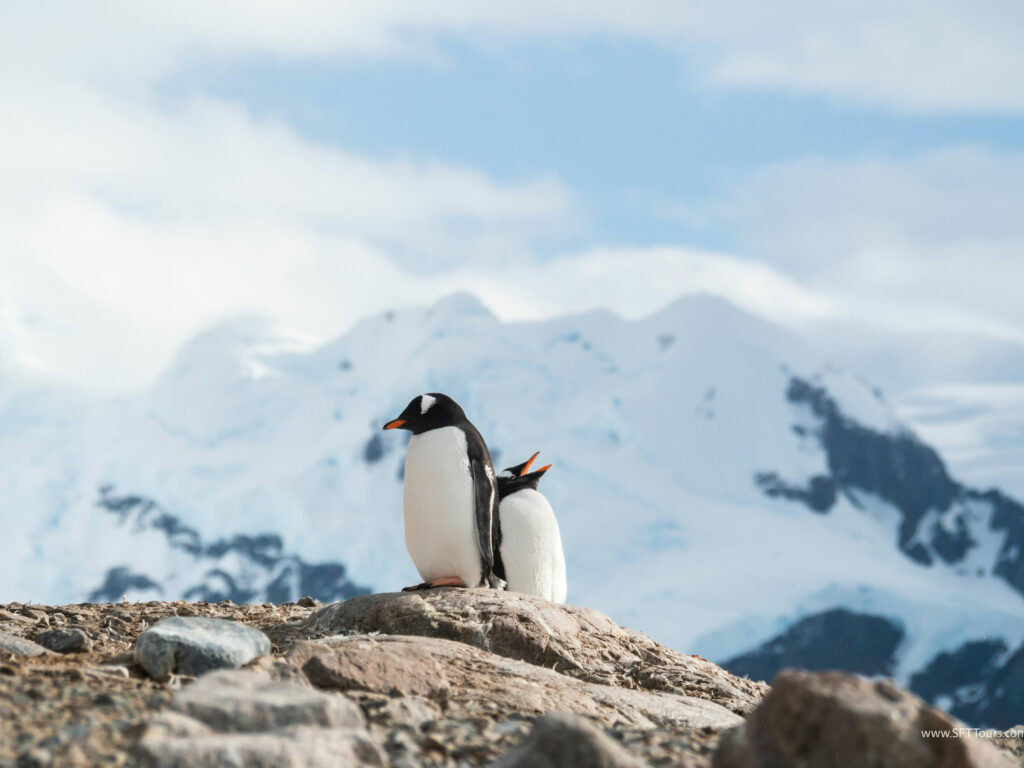
There are a couple of books worth reading before your trip, and reference books (mostly English) are available in the onboard library with Ocean Expeditions too, so you won’t need to bring any reading material with you.
Endurance: Shackleton’s Incredible Voyage – Sir Ernest Shackleton
This is the definitive account of one of the greatest survival stories ever told. Shackleton’s 1914 expedition to cross Antarctica went disastrously when the Endurance was crushed by ice, but what followed – leadership, teamwork, and sheer grit – has inspired generations. If you want context for the human side of polar exploration, this is a must-read.
South: The Story of Shackleton’s Last Expedition – Sir Ernest Shackleton
Written by Shackleton himself, South offers an immediate, visceral portrait of early Antarctic exploration. The narrative captures the beauty and brutality of the Antarctic environment and the daily realities of life on the ice. It’s less polished than later historical accounts but more vivid because it was written by someone living it.
The Worst Journey in the World – Apsley Cherry-Garrard
A raw, sometimes harrowing memoir of the British Antarctic Expedition (1910–1913), this book describes the hardships endured by explorers just to collect scientific data. Cherry-Garrard’s account of the polar winter journey to collect emperor penguin eggs stands as one of the great travel writings of the 20th century – insightful, poetic, and deeply human.
Alone on the Ice: The Greatest Survival Story in the History of Exploration – David Roberts
Roberts brings modern storytelling to the story of Douglas Mawson, an Australian explorer whose 1912 expedition turned into a remarkable tale of solo endurance after his companions perished. The book blends historical research with vivid narrative to illuminate a lesser-known but extraordinary Antarctic tale.
Antarctica: An Intimate Portrait of a Mysterious Continent – Gabrielle Walker
Walker combines science, travel, and personal reflection to explore Antarctica’s landscapes and ecosystems. Her writing bridges the gap between expedition narrative and environmental insight, helping readers understand why Antarctica matters far beyond its ice. It’s a great choice for anyone curious about both the science and soul of the continent.
The Crystal Desert: Summers in Antarctica – David G. Campbell
Campbell spent several Antarctic summers studying wildlife and the natural environment, and his book blends scientific observation with narrative storytelling. You’ll meet penguins, seals, whales, and scientists, all portrayed with curiosity and respect. This is ideal for travelers who want context for what they’ll see on the ground.
Terra Incognita: Travels in Antarctica – Sara Wheeler
Part personal journey, part cultural history, Terra Incognita goes beyond exploration heroics to look at how different people like scientists, support staff, artists live and work in Antarctica. Wheeler’s voice is engaging and thoughtful, making this a beloved modern classic in polar literature.
The Home of the Blizzard – Sir Douglas Mawson
A foundational early account, Mawson’s own writing captures the science and ambition of Australasian Antarctic exploration in the early 1900s. It’s vivid and reflective, with detailed descriptions of terrain, weather, and the physical toll of polar life. You’ll get a sense of both the large-scale environment and the daily grind of exploration.
Antarctic Ice: A Tale of Modern Exploration – David Breashears
This book reflects more contemporary polar exploration, written by a mountaineer and filmmaker who has traveled in polar regions seeking both adventure and scientific insight. It balances personal narrative with big-picture thinking about climate, ice, and human curiosity.
The Last Place on Earth – Roland Huntford
A detailed retelling of the race to the South Pole between Amundsen and Scott, The Last Place on Earth recounts triumph and tragedy with historical depth. Huntford digs into personalities, strategy, and decision-making, making this a compelling, critical look at one of Antarctic exploration’s most famous chapters.
Movies about or set in Antarctica
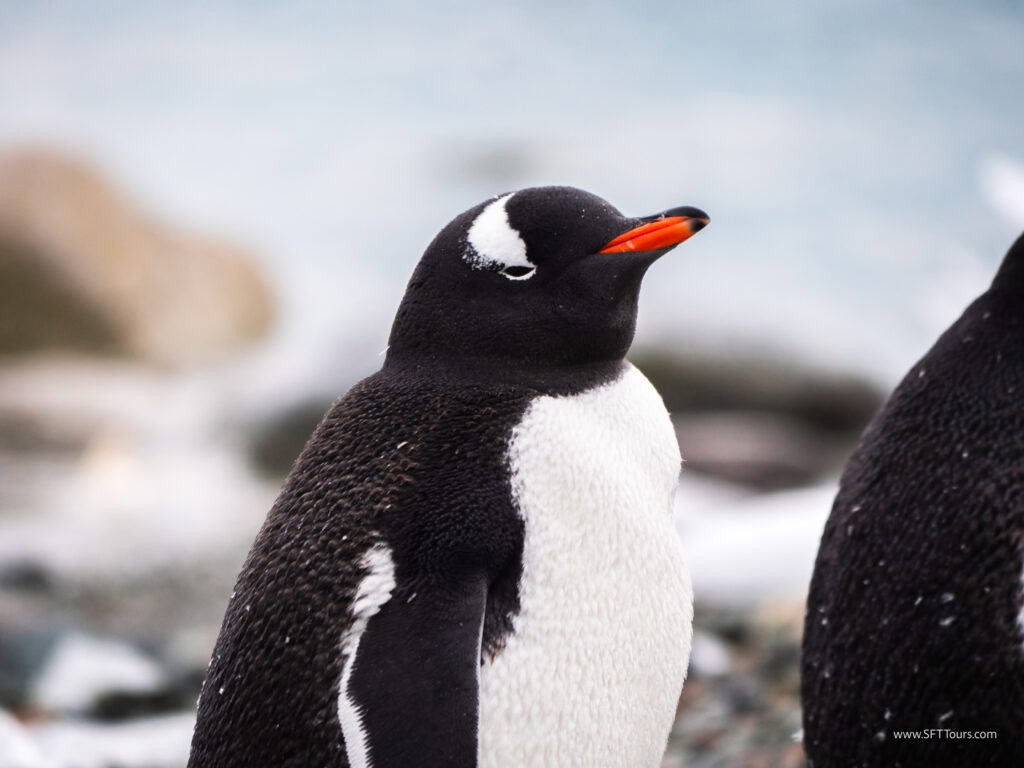
Here’s our curated list of films and documentaries about Antarctica (and Antarctic themes), each with a brief description to give you a sense of why it’s worth watching.
March of the Penguins (2005)
This is a beautifully filmed nature documentary following emperor penguins on their epic annual journey to breed and raise chicks amid brutal Antarctic conditions. Narrated with emotional gravitas and stunning cinematography, it’s one of the most accessible and moving portrayals of wildlife survival on the continent.
Encounters at the End of the World (2007)
Directed by Werner Herzog, this thoughtful documentary focuses on the scientists and support staff living and working in Antarctica. It’s less about dramatic landscapes and more about the people drawn to extreme isolation, curiosity, and the philosophical questions the continent evokes.
Eight Below (2006)
Inspired by a true story, this adventure film follows a team of sled dogs abandoned in Antarctica and their handlers’ efforts to return for them. It’s heartfelt, action-packed, and highlights both the loyalty of animals and the harsh realities of polar conditions.
Antarctica: A Year on Ice (2013)
An immersive documentary that takes viewers through the full cycle of Antarctic seasons at Scott Base and McMurdo Station. From endless daylight to total polar night, it’s a visually striking and introspective look at life where seasons are extremes.
South: Sir Ernest Shackleton’s Antarctic Adventure (2015)
A historical drama that dramatizes Shackleton’s 1914 Imperial Trans-Antarctic Expedition and the ordeal of the Endurance crew after the ship was trapped in ice. It brings classic exploration history to life with strong performances and survival narrative.
Chasing Ice (2012)
While broader than just Antarctica, this powerful documentary follows photographer James Balog’s mission to document glacial retreat around the world — including in polar regions — with time-lapse imagery that makes climate change unmistakable. It’s visually arresting and scientifically important.
Antarctic Edge: 70° South (2015)
Part nature documentary, part science story, this film highlights unique Antarctic species and introduces viewers to the scientific research done on the continent. It’s ideal for anyone interested in the biodiversity and ecological importance of Antarctica.
White Wilderness (1958)
A Disney documentary classic featuring Arctic and Antarctic wildlife. Some scenes have been critiqued in later years, but it remains a historically influential film in nature filmmaking and offers a glimpse into early wildlife documentary style.
The Last Place on Earth (1985, miniseries)
Technically a TV miniseries, but worth mentioning here. It dramatizes the real-life race for the South Pole between Roald Amundsen and Robert Falcon Scott. Strong performances and historical detail make it great for context before any expedition.