
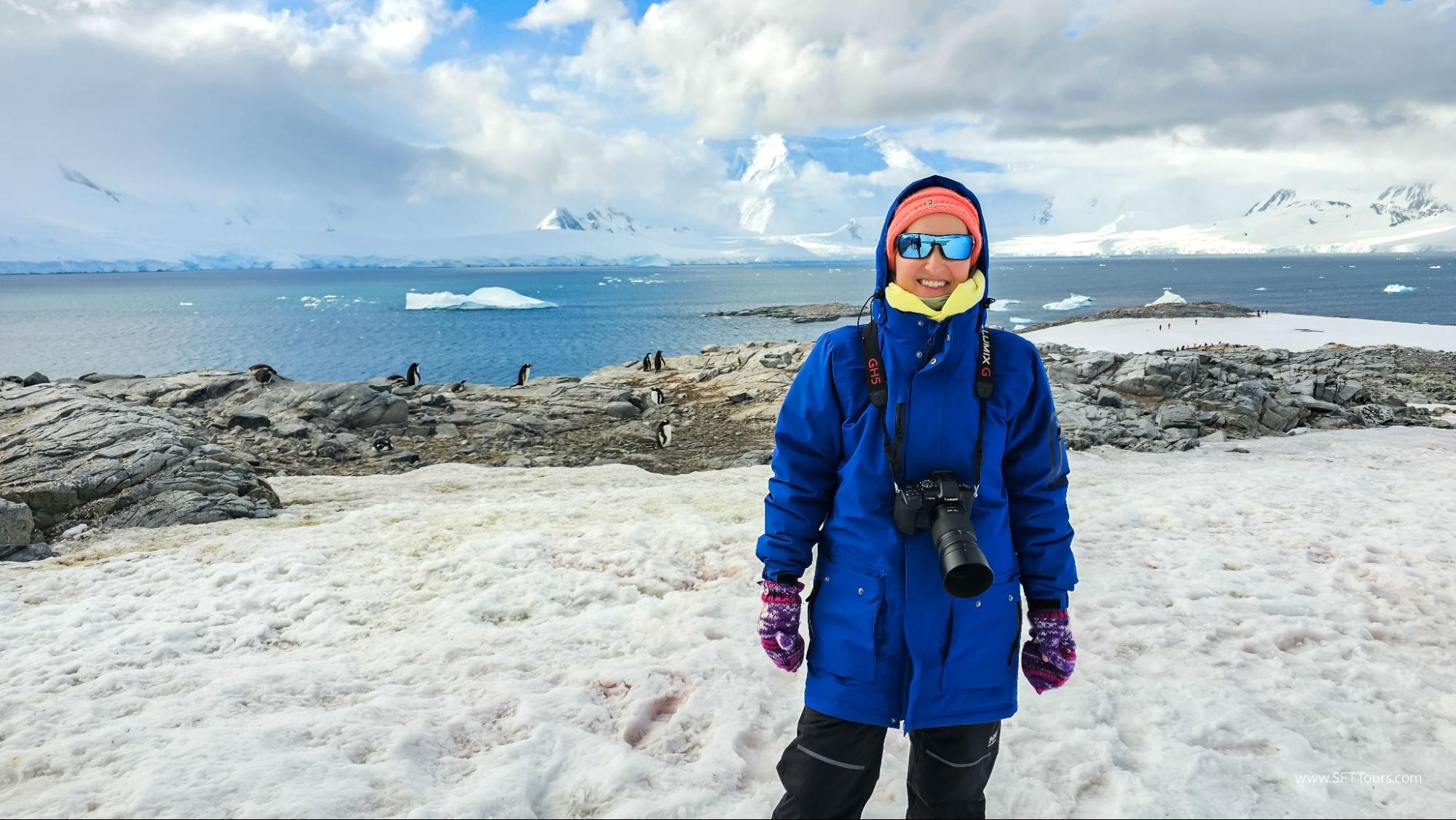
Wondering what to pack for our Antarctic expedition?
In this article you’ll find an intro to the weather in Antarctica in the summer and a handy list of suggestions for things to bring. There are also a few items that are mandatory to wear to be allowed on landings.
See our Amazon Antarctica packing list with all the product recommendations mentioned here.
The weather in Antarctica in the summer
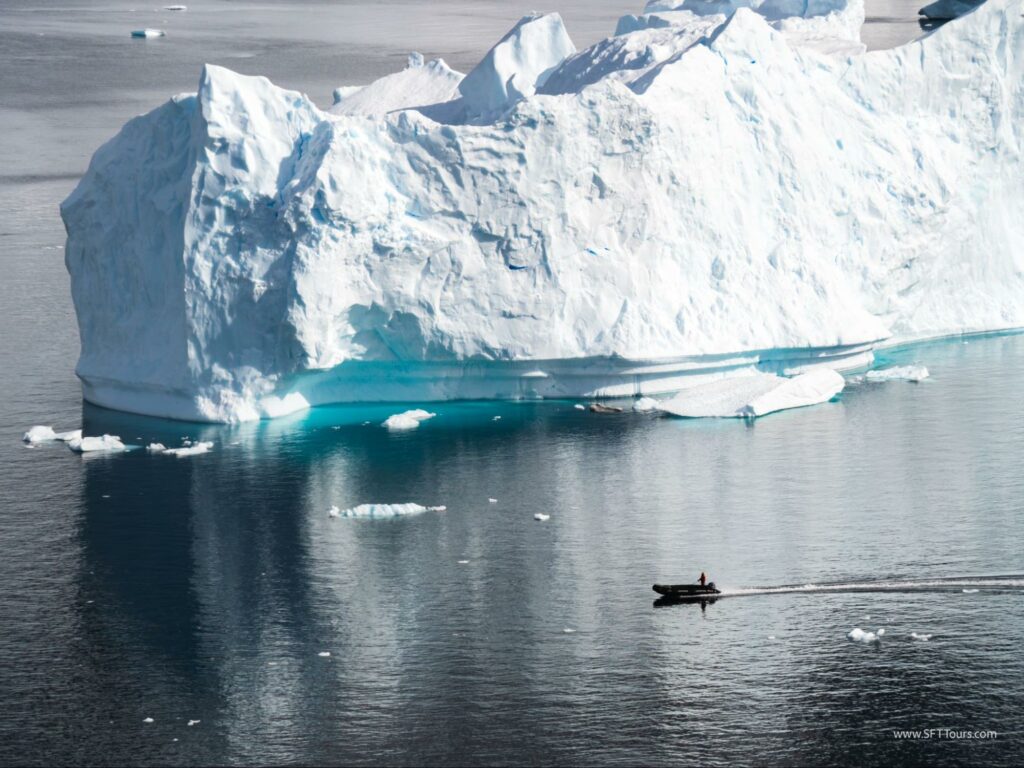
Antarctica is the driest, coldest and windiest part of the world. The continent is technically a desert, as it almost never rains, but I was lucky enough to see some when I was there.
Antarctic expeditions always take place in the spring and summer months, when the ice melts and ships can navigate the waters.
The season starts in November and ends in March, with a few expeditions taking place in late October or early April depending on the weather and destinations.
While all summer months share similarities, the weather changes with the season and the best months to visit Antarctica are December and January. This is when conditions are most optimal, with temperatures, wind, rain and ice sheets being at their best.
As the season progresses, the ice and snow melts and the penguin colonies grow, making the snow less pristine and more “lived in”.
Below is a table with the monthly climate in the Antarctic Peninsula.
| December | January | February | |
| Temperatures | Around -2 to 1 C / 29 to 34 F | Around 0 to 3 C / 33 to 36 F | Around -2 to +1 / 28 to 34 F |
| Hours of daylight | 20h to 24h | 20h to 24h | 18h to 22h |
| Hours of sunshine | 17 | 16 | 14 |
| Rainfall | 1 inch | 2 inch | 2 inch |
Although temperatures may not seem so cold on paper, several things make them feel colder than they look.
Firstly, winds can quickly pick up even in the calmer summer months. The continent’s latitude also means that the sun rays are weaker, as opposed to how strong they are on the Equator, and the snow reflects sunlight meaning the ground absorbs little heat.
All this together just means that a temperature of 0 C / 32 F feels much colder than it would elsewhere.
You also need to bear in mind that when you disembark, you’ll land on ice and snow, so you will be walking on frozen ground, and that you may be standing around for a while looking at penguins, or sitting on a zodiac.
Lastly, the weather changes dramatically throughout the day and can go from sunny and relatively warm to freezing and windy, or even snowy.
With all this in mind, it’s important to be well prepared for a trip to Antarctica not just for comfort but also safety.
What to wear in Antarctica
Now that you know what the weather will be like and how the sensation of cold may be affected, let’s take a look at some practical packing recommendations, bearing in mind that the dress code onboard is eminently casual and sporty.
Layering
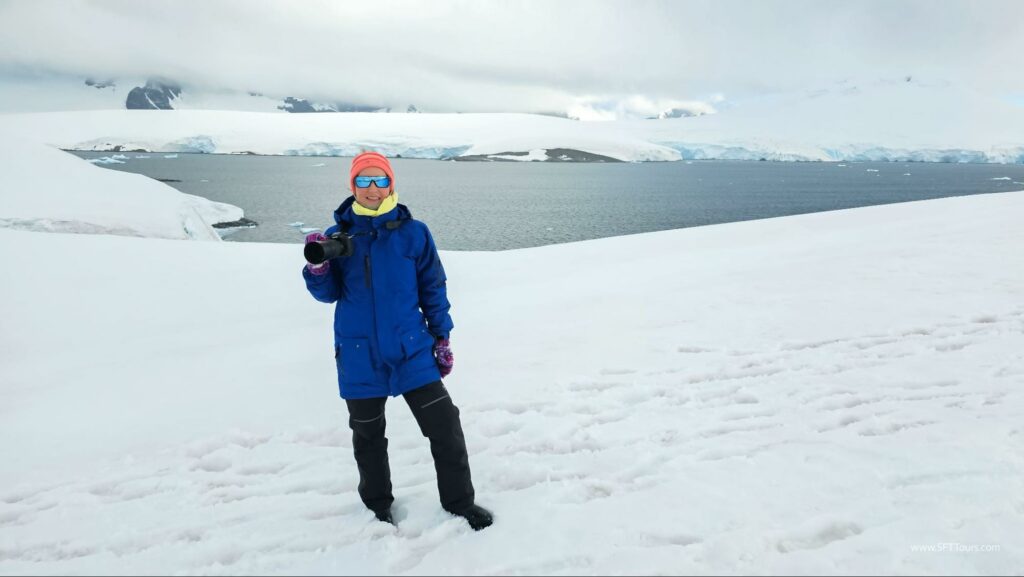
The most important factor when planning what to wear in Antarctica is the concept of layering. This applies to traveling to any cold-weather destination, but is particularly important here.
At a minimum, you need a base thermal layer, a warm layer and an outer layer that is wind and waterproof. More layers, for example a vest or a long-sleeved t-shirt, are not a bad idea either and can be useful if you usually get cold.
This is what I wore:
- Base thermal bra-tshirt
- Base thermal layer 220 gr merino wool, both pants and long-sleeved top
- Base cotton socks and a pair of thick mountaineering merino wool socks
- Waterproof fleece lined trousers (rental)
- Warm high neck sweater
- Fleece Jacket
- Neck gaiter which I often pulled up over my nose and ears
- Wool scarf
- Merino wool gloves
- Thick wool mittens with open fingers and cover
- Fleece lined wool hat
- Waterproof jacket with hoodie (rental)
Instead of the fleece jacket, it would have been better to have bought a light down jacket with a hoodie so I could cover my head with one more layer. Or a fleece with a hoodie.
And yes, it took a while to get ready every time we had to get off the ship!
Loose clothing
Clothes that are too tight do not leave space for air to become trapped, and this is important in keeping you warm. This trapped air works as an isolating layer and helps keep you extra warm.
Waterproof outer layers
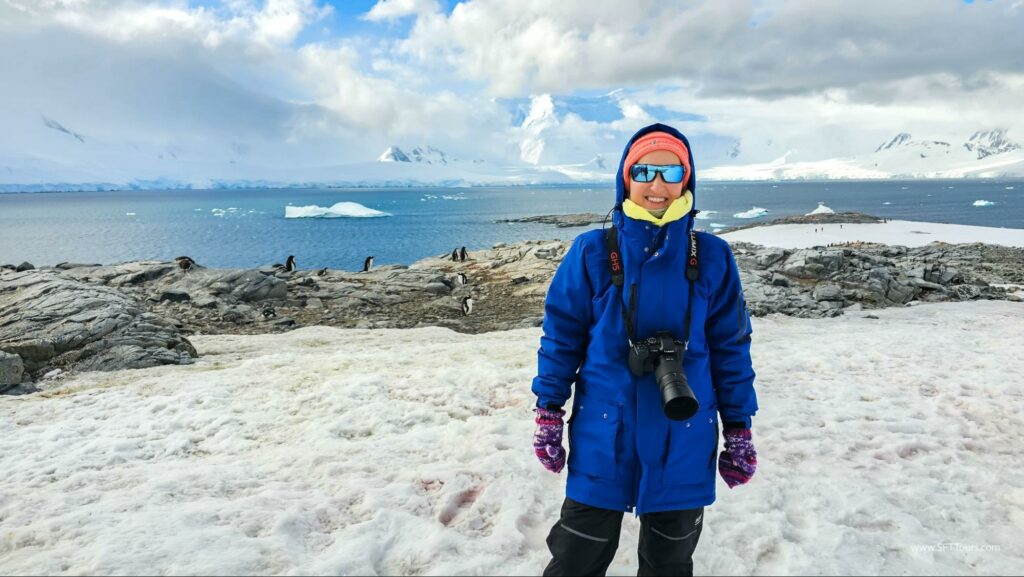
It is mandatory to wear a waterproof jacket and trousers while aboard a Zodiac on all Antarctic expeditions. Water-resistant or water-repellent treated clothing is not suitable or sufficient.
This is for safety reasons owing to the increased risk of exposure related illness if you get wet. Guests not properly dressed will not be permitted to leave the vessel when the group goes onshore.
If you don’t have a waterproof jacket or a pair of trousers, you can rent them online here like I did and will do again.
This is the company that has an agreement with Oceanwide Expeditions, our partner company, which means that what you rent will be sent to the vessel and be there ready for you to pick it up when you board, and will also be collected at the end of the expedition and given back.
You can rent gear from one of the many shops in Ushuaia, but prices are similar and you would have to collect and return the gear yourself.
Packing list for Antarctica
With the above in mind, below is a list of items to pack.
Thermal base layer
You want to wear a thick base thermal layer that is closest to your skin and will go under your warm and waterproof layer.
For this, I highly recommend considering merino wool clothes that repel odors, keep you warm and avoid you getting sweaty from the constant change in temperatures (cold outside, warm inside).
Merino wool clothing is expensive, but it will last you a lifetime. It requires less washing (good for you and for the environment), it is very light (less packing), regulates heat so you sweat less, is natural (rather than made with chemicals) and if it keeps sheep warm in the coldest of weathers, it can also keep you warm!
Clothing made from merino wool is usually sold based on the thickness. The highest thickness you can buy the better in this case. Some of my base layer thermals are 200gr.
I particularly like the Kiwi brand Icebreaker, which is made of sustainable merino wool. I have worn their products in Iceland and other cold / all-weather / windy destinations like the Arctic, the Faroe Islands as well as on my Antarctica trip
Luckily, they are widely available on Amazon here so you should have no issues finding them. They are also often available at outdoor stores.
I packed both bottom leggings and long-sleeved tops to put under the rest of my clothes.
Pro tip: Because merino wool repels odor, you don’t need to bring one set per day. I was fine with 4 sets I wore on 2 days each and they never smelled or felt icky. You could also do laundry onboard.
Top layers
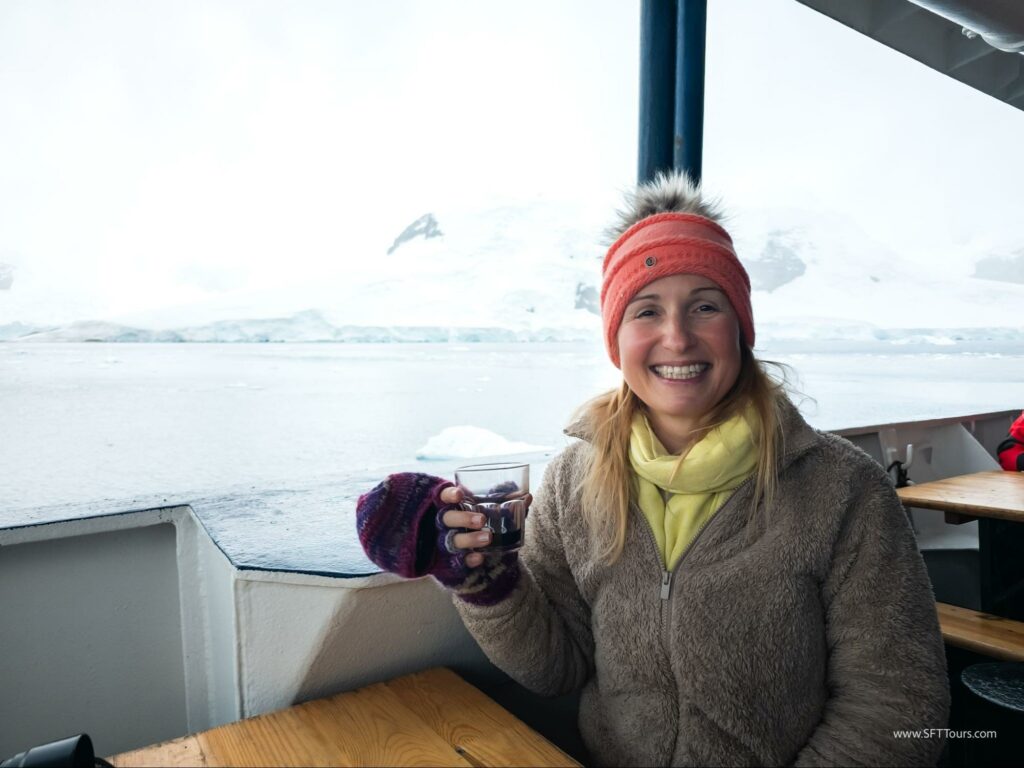
On top of the base thermal layer, you need a warm wool turtleneck sweater or fleece jacket, or both. I recommend this layer be high up on the neck to keep you warm.
If you are not a fan of wool, fleece jackets are a great alternative, soft and thinner while still quite warm.
You can also add a light down jacket with a hoodie over the fleece and turtleneck for extra warmth. All this needs to fit under the waterproof outer layer.
Waterproof / windproof outer layer
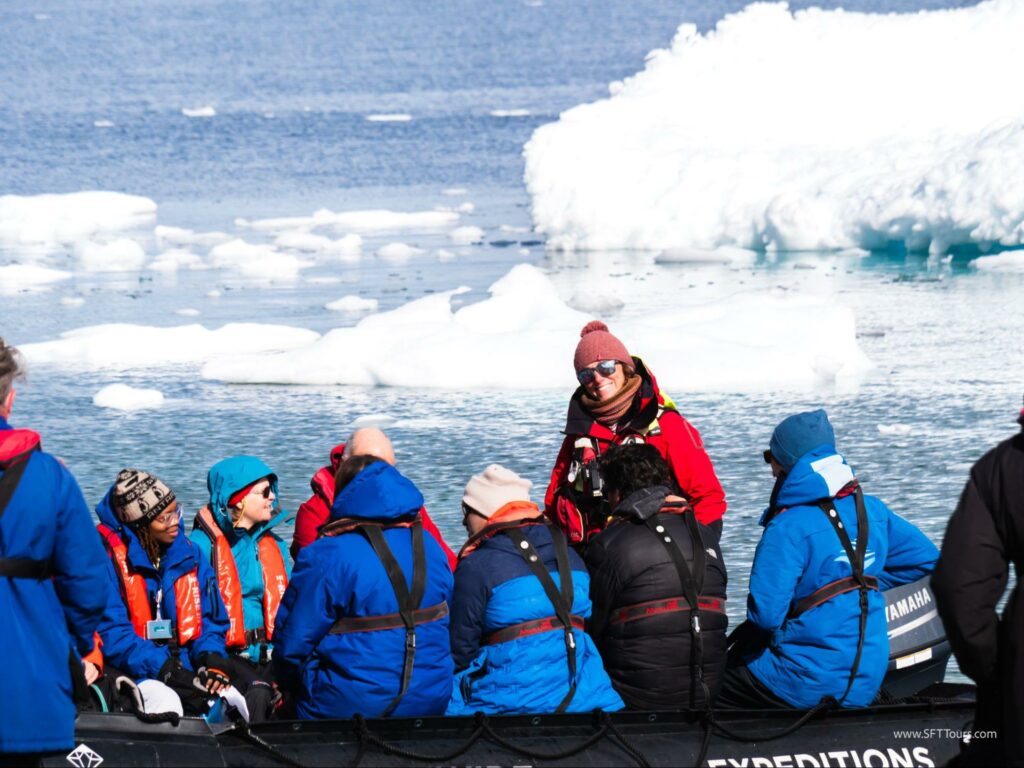
As mentioned, you need to bring a warm, waterproof and windproof outer layer to be allowed to leave the ship and I strongly recommend for it to have a hoodie that you can pull over your hat for extra warmth and to protect you from the wind and rain.
Everyone has their favorite jackets, but I find that the proper adventure and outdoor brands like Arctix do this best because they are conceived with the needs of a trip to the polar regions in mind.
Look for a ski jacket that is water and windproof and that comes with a large and warm hoodie like this one. Arctix has several jackets like this one designed for the temperatures you will face in the Arctic.
If you don’t have your own, this is an item that you can easily rent from the gear companies. Make sure that the jacket you bring can fit all the clothes you’ll wear underneath.
For example, I ended up with a Large even though I would normally wear Small to Medium so that all the other layers, plus some gap in between them, would fit.
Trousers
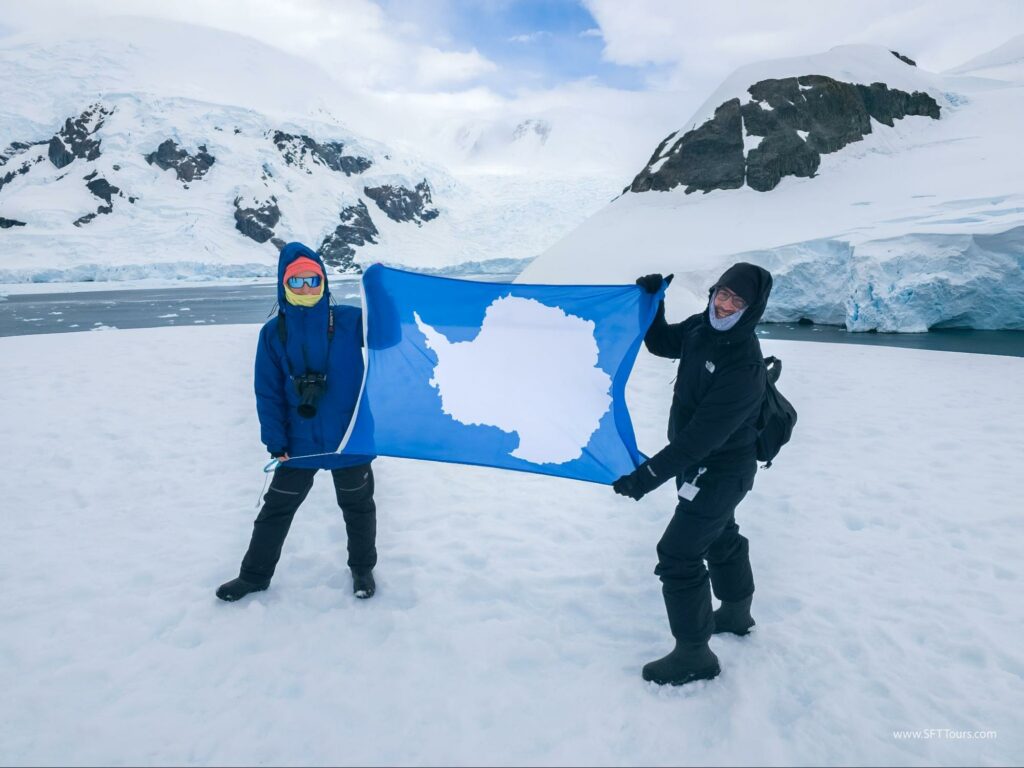
Besides the top layers and jackets, you should also bring a few pairs of warm waterproof trousers such as ski pants like these ones from Arctix.
When buying these, make sure they are loose enough to fit the base thermal layer and that they are waterproof not just water resistant.
Pro tip: Your trousers will have to be disinfected after every landing for biosecurity reasons, this involves getting into a bucket filled with a disinfecting liquid, they may also get dirty with penguin poop and mud, and will get wet in the wet landings, so it may be a good idea to rent these trousers so you don’t damage your own.
Even if you rent waterproof trousers, it is a good idea to bring a pair of warm trousers you can wear when spotting wildlife on deck or in Ushuaia where summers feel like cold winters.
Additional layers
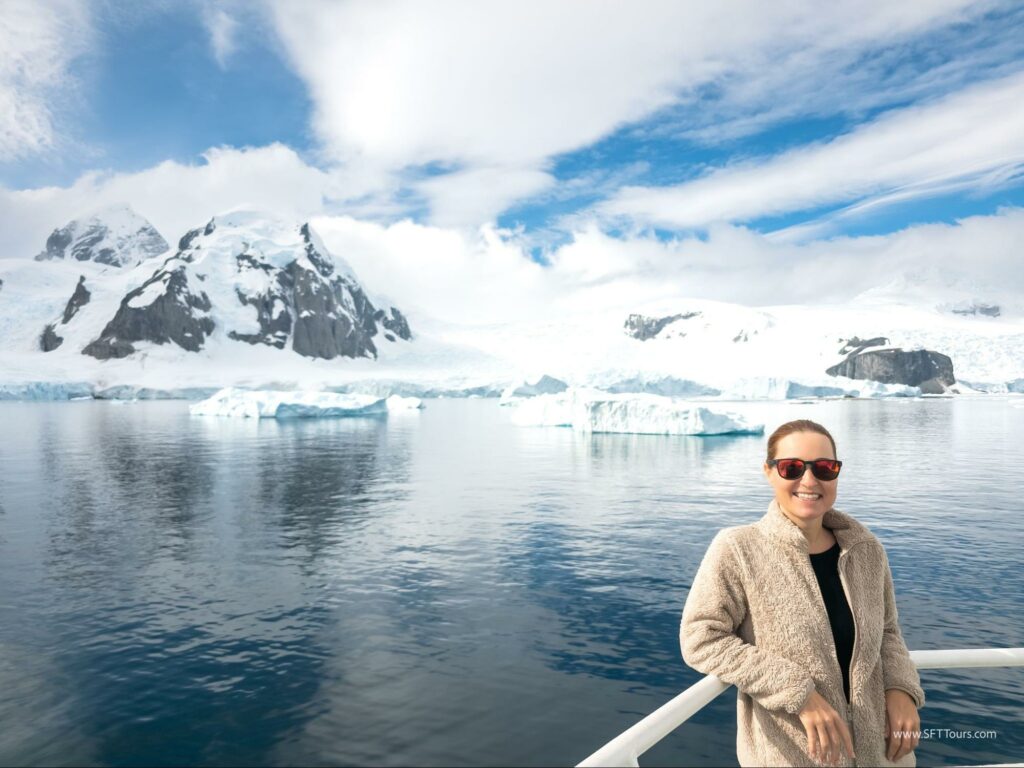
I always add a couple of tank tops with inbuilt bras and t-shirts to my suitcase which I wear under the base layer.
I also like to pack a vest, especially those made of fleece, down or wool. These add a layer between the sweater and the jacket while not restricting movement of the arms. They are also easy to wear onboard.
As mentioned, a light down jacket is a good additional layer to place over your fleece and under your waterproof jacket.
Besides the waterproof pants, I also recommend packing a lighter pair of trousers, joggers (I have a pair of these ones I wear for travel) or a pair of classic jeans that you can wear to meals and wildlife spotting onboard and which are less bulky or warm. Inside the ship, it is pretty warm. This could also be the trousers you wear on the plane or in Ushuaia.
Clothing accessories
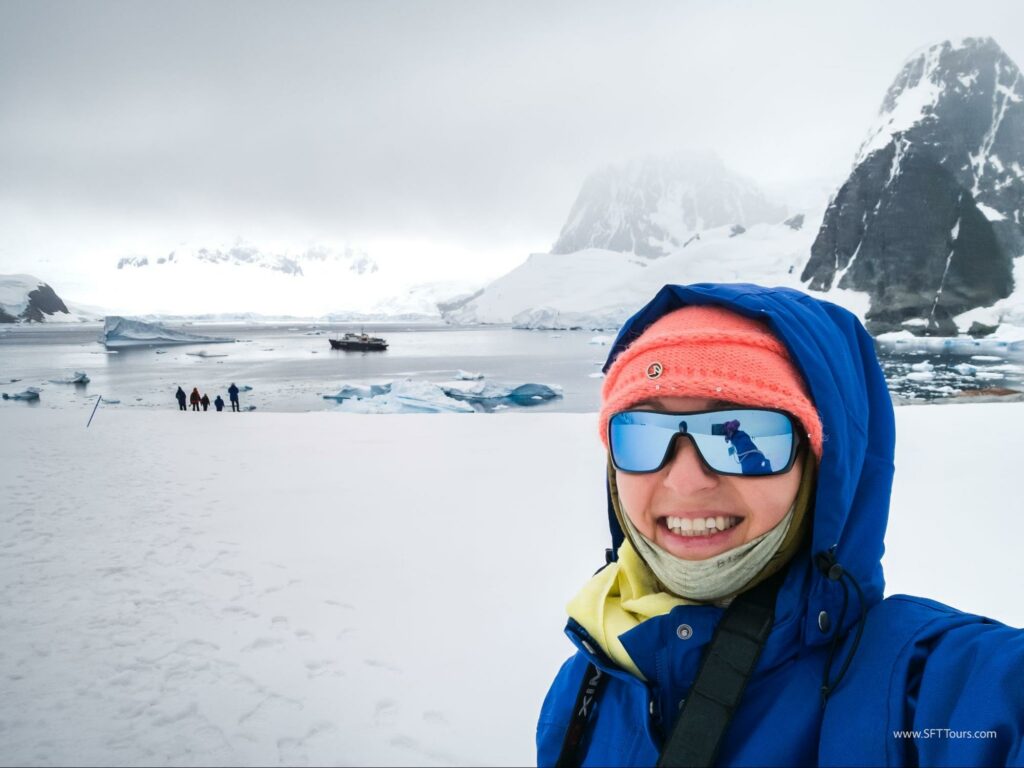
The clothing accessories you wear are arguably as important as the layers. I recommend you pack a few additional items to stay warm:
- Gloves: You need hardcore waterproof ski gloves here or you won’t be able to take your hands off your pockets, not even to take a photo. I recommend a pair of fleece-lined waterproof gloves like these ones. Or better yet, combine a pair of gloves that you can use your camera with under mittens to keep your hands extra warm when not exposed. The ones which can clip on to your sleeves are extra useful so you carry less stuff around. It’s advisable to bring two pairs of gloves so in case you get wet, you can change them. Wet hands can be impossible to warm up and expose you to frostbite.
- Scarf: Even if you are wearing high neck layers, a merino wool scarf will add that extra warmth and protect your face from the wind chill. You can also wear a merino wool neck gaiter as a base layer that you can pull over your mouth and a scarf on top. I wore both as did most people.
- Hat: Very important to keep your head warm, especially if it starts snowing, as up to 90% of your body heat can escape through the head. Layering is also a good idea here. You can combine a balaclava with a merino wool beanie hat, or a beanie hat with a fleece or fur-lined one. Skip the hats with pom poms which may not fit under the hoodie of your jacket.
- Wool / thermal socks: They will make sure your feet stay warm all the time. I pack thick and tall ones that also keep your feet from blistering and cover your legs all the way to the top of your rubber boots. It may also be a good idea to wear a thinner base sock and a thicker mountaineering one on top. I also have a pair of rechargeable heated socks that come with batteries because I struggle to keep my feet warm when I am standing on the snow for long. They were a life saver for the camping night on the ice.
- Underwear and sports bras: Since you will be enjoying a relatively active trip, you may want to consider packing sports bras instead of regular wired bras.
- Hiking poles: When on land, we will walk on snow, ice and slippery surfaces, so many guests prefer to bring their own hiking poles to help them descend on the paths. Bring foldable ones.
Footwear
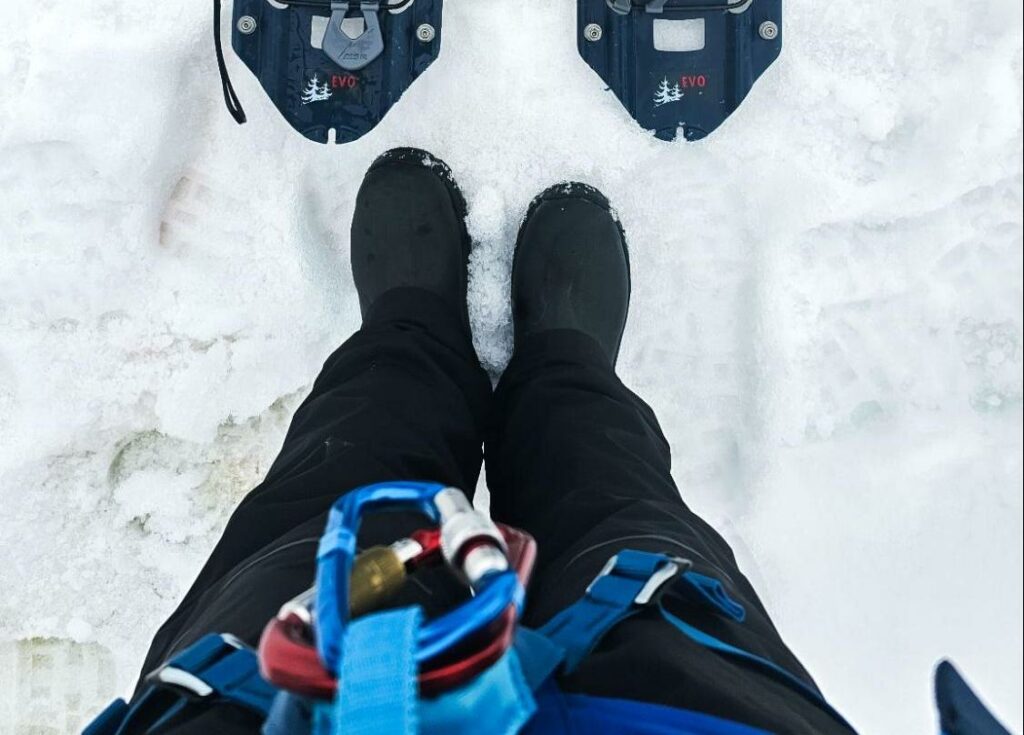
Keeping your feet warm and dry is essential but so is keeping Antarctica safe from contamination so all guests will be given a pair of rubber boots to wear on all landings and excursions.
This means that the only footwear you need to bring onboard is a pair of sturdy shoes with non-slip soles that you can wear indoors. A lot of people onboard my expedition wore this pair of mules from North Face, they are warm and non-slip and they sure looked warm and cozy. They had grip, so you wouldn’t slip on the Drake Passage.
In Ushuaia, we will not spend a lot of time outdoors, but if you plan to join the hike, you should bring a pair of waterproof hiking boots (it rains a lot in Ushuai) which you will also use in Patagonia if you are joining us on the extension.
Waterproof bag
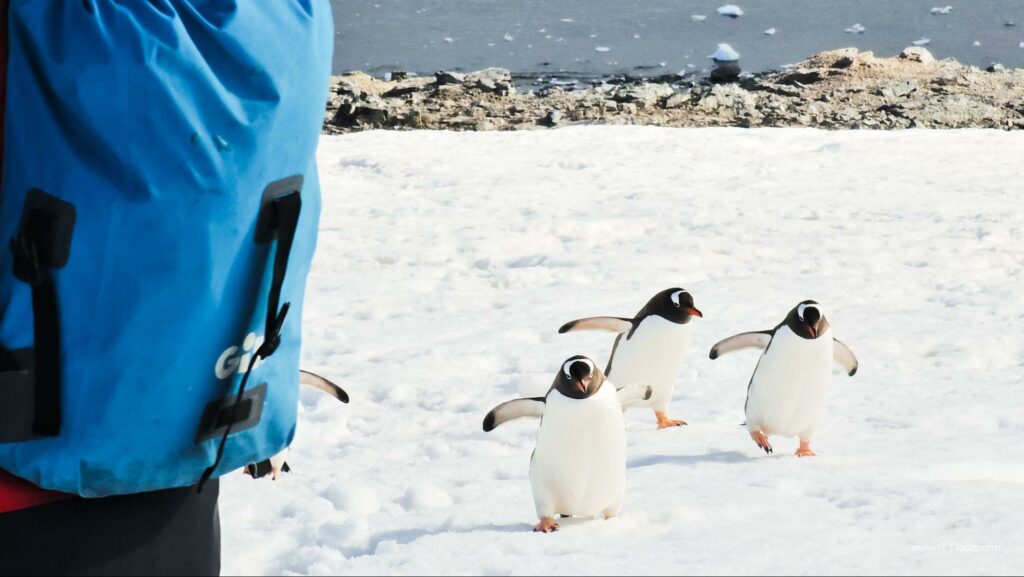
If, like me, you also prefer to put all your belongings in your pockets, you may not need a waterproof bag. But if you have expensive camera equipment or want to bring a water bottle with you, you will need a waterproof bag, a waterproof bag cover or a dry bag.
It is best to bring a bag that fits all your stuff so it’s easier to get onto the zodiac for each landing than carrying things in your hands. You need your hands free to hold on to railings and the crew’s arms to get in / out of the zodiac.
When on land, you will not be able to put anything down as that poses a biosecurity hazard, so anything you bring needs to be carried around by you. Consider this when choosing your bag, as it may get heavy if you bring a big one.
Bathing suit
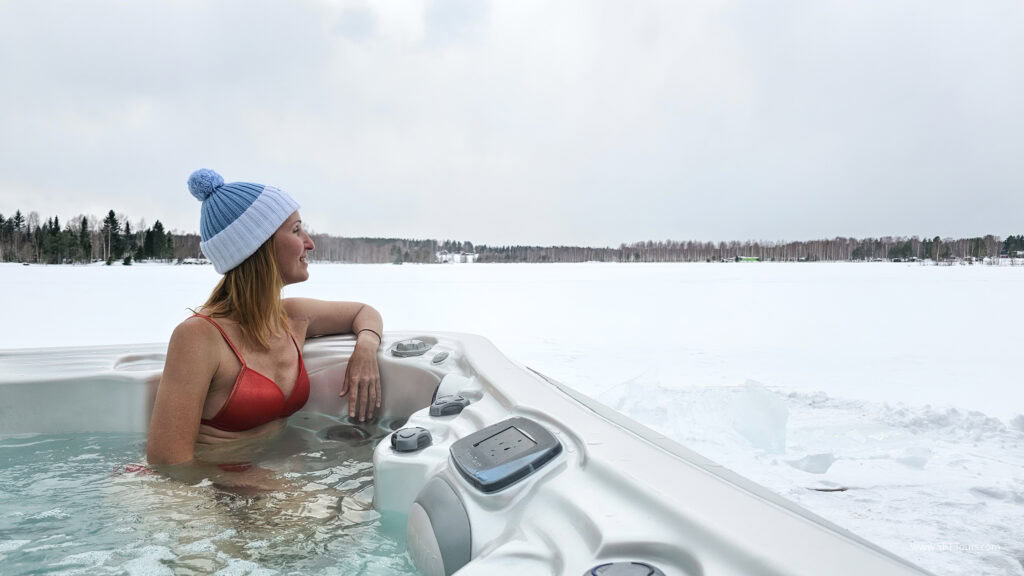
Our magnificent 5* hotel in Ushuaia has an incredible outdoor and indoor heated pool and outdoor jacuzzi with panoramic views over the city below, so make sure you pack your swimming suit!
If you are joining us in Patagonia, the 5* hotel there also has an indoor / outdoor pool. Even if you don’t plan to get wet in cold weather, our hotel in Buenos Aires also has an outdoor pool, and it will be summertime when we are there, and warm enough to swim.
Lastly, if you plan to participate in the polar plunge, you’ll need a swimming suit. Though some people went into the water in any other clothes.
Other items you should pack for Antarctica
Besides clothes, there are a few other things you should bring on a trip to the Antarctic.
| Hand and feet warmers: These magical inserts work much like the heat pads used in case of an injury only they are much more powerful. You break the liquid inside and stick them to your rubber boot insoles, and put on thick socks to keep your feet warm for hours. You can also keep some inside your jacket pockets, but make sure not to touch them with bare hands but always with your gloves on. These are what saved me on Antarctica. Check these out. Better yet, get these rechargeable ones to minimise waste and not generate as much rubbish. | |
| Universal plug adaptor: Plugs onboard the ship are European two-pronged and round. In Argentina, you may also find Type I, the three flat pins in a V-shape. The best way to ensure you will be able to use any plug is by packing a universal adaptor. I like the ones which come with USB ports so that I can charge phones, cameras and everything else with just one adaptor. I love this one because it has USB ports for all the electronics I now carry. | |
| Power bank: A portable charger is useful because the cold makes batteries drain faster than they would, so if you are constantly using your phone you may run out. They are also useful for the full days exploring Patagonia. This Anker Portable Charger has a 20000mAh capacity, and fast-charging USB-C ports, you can power up your devices in a flash, while the LED display keeps you in the know about your battery level. It’s the perfect companion for a day out on safari when you will be using your phone a lot to take photos and videos and will use up that battery a lot. | |
| Technical sunglasses: With 20 to 24 hours of daylight at this time of year, the sun can reflect off of any snow and make things brighter than they would normally be, even on a cloudy day, making sunglasses essential for protecting the eyes from harmful UV rays and glare. If you have ski goggles, bring them. I bought a pair of these 100% UV protection polarised sunglasses from Oakley for the trip to bring instead of my regular polarised Oakleys. | |
| A phone lanyard: A phone lanyard is super useful to hang your phone from and have your hands free to take photos with your camera. This is especially useful when on a zodiac so it does not fall in the water. I have this one. | |
| Water bottle: Single use plastic bottles are terrible for the environment so I recommend you bring your own reusable bottle as part of our efforts towards zero-waste and responsible travel. You will be able to refill the bottle from the ship’s snack corner. | |
| Sunscreen: One of the most important items in this packing list is sunscreen. The sun is very strong in the winter when it reflects off of snow so protecting your skin is key. I like and use Biore SPF 50++++ for my face because you can wear it under makeup and it is non-sticky and silky smooth. I also brought a mineral 50 SPF stick from Sun Bum which made reapplying pretty easy. | |
| Body lotion: The ship has shampoo and shower gel but not lotion. The dryness of the air in Antarctica makes your skin get pretty dry. Try this 96h hydration body butter that comes in a flat recycled plastic tub with an aluminum lid that’s super easy for travel and anti-spill (I can testify to that since I’ve traveled a few countries with it). | |
| Lip balm: Lip balm is essential in colder weather to prevent dry and chapped lips. I have recently started using La Neige lip balm and lip mask and it is amazing. Neutrogena lip balm with SPF is another great option. | |
| Washing sheets: To hand wash underwear and socks on the go, bring space saving hand wash-friendly detergent sheets like these eco-friendly ones. Note: There is not a lot of space in cabins for this, so if you are sharing with someone else, be mindful of planning to wash your clothes daily as you would be taking the shared shower space to hang them to dry. | |
| Sleep mask: Cabins have curtains but since it is daylight throughout most of the day and night in Antarctica, and you may be sharing the cabin with another traveler who may be a late owl. I strongly recommend the Manta Sleep mask. I have been traveling with it, and wearing it on the plane, for several months now. It is incredibly good at blocking light. One of my most important travel must-haves (PS I have the one with sound incorporated and the one with the cold / warm eye pads). | |
| Pajamas: Don’t forget to pack your pajamas! Here’s a comfy choice from Amazon. | |
| Ear plugs: If you are a light sleeper, a pair of ear plugs can help you sleep better especially when the ship moves. Check these out on Amazon. | |
| First aid kit and medication: There is a doctor onboard the ship for medical emergencies but you should bring everything you are used to and of course, all prescription medication or vitamins you take for the duration of the trip. You should also think about packing a basic first aid kit with items such as painkillers, plasters and antiseptic ointment, antihistamines, electrolyte powder etc. Talk to your doctor about seasickness medication for the Drake Passage if you normally get seasick. See our First Aid Kit list here. | |
| A foldable toiletry bag: A foldable toiletry bag will make it easier to pack everything away when the ship moves so that it does not spill everywhere. This one is very cute and functional |
What you should not pack for a trip to Antarctica
There are several things you can leave behind.
- Hair drier: Each cabin has a hair drier you can use onboard.
- Technical gear for the activities: Overalls for kayaking, snowshoes and ice pick, camping equipment, and everything else you would need for all the included activities will be provided by the ship.
- Hiking boots: Unless you plan to join us for the hike in Ushuaia or extend your trip to Patagonia, you won’t need hiking boots for the Antarctica portion of the trip. Onboard, a pair of comfy non-slip shoes are enough and on excursions, you will be provided a pair of rubber boots to wear at all times.