
This article is written for solo female travelers visiting The Galapagos Islands, either as part of our Ecuador & Galapagos tour for women, our Galapagos Islands cruise, or on your own.
You will find everything you need to know to prepare for your trip, from when to go, visa rules, safety, money, electricity, connectivity, and what daily life on a cruise actually feels like. You can read this alongside our Galapagos packing list.
Intro to the history of The Galapagos
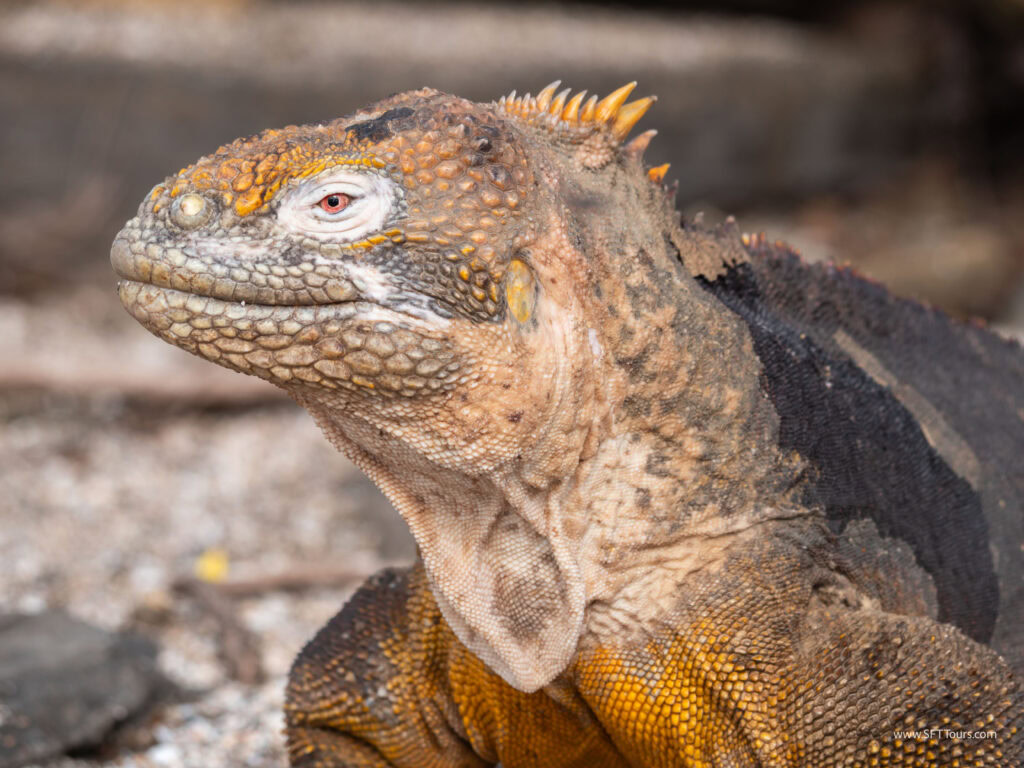
Located 1,000 km (620 miles) off the coast of Ecuador in the Pacific Ocean and made of 13 major islands and 7 smaller ones, the actual number of which is constantly changing based on ongoing volcanic activity and erosion, The Galapagos Islands are completely different from anywhere else you’ve traveled.
The archipelago sits almost directly on the equator, which means both intense sun and an unusual mix of climates, and nearly all of its land area is a protected National Park, which is why it still feels very wild.
Wildlife here has evolved with very little human interference, and you can walk past sea lions on the beach (even see them sleeping on bus stop benches), watch giant tortoises in the wild, and snorkel with turtles, rays, and reef fish in water so clear it barely looks real.
Tourism is carefully regulated, so travel works differently from most destinations, and it’s very important to be prepared.
Days tend to be active, schedules are structured, and conditions can change quickly depending on weather, sea, and which island you are visiting.
It’s easy to feel like the islands have always existed exactly as they are now, but in reality the Galapagos has a long and unusual history, shaped by volcanoes, pirates, scientists, settlers, and strict conservation rules that affect how we all experience the islands today.
How the islands were formed
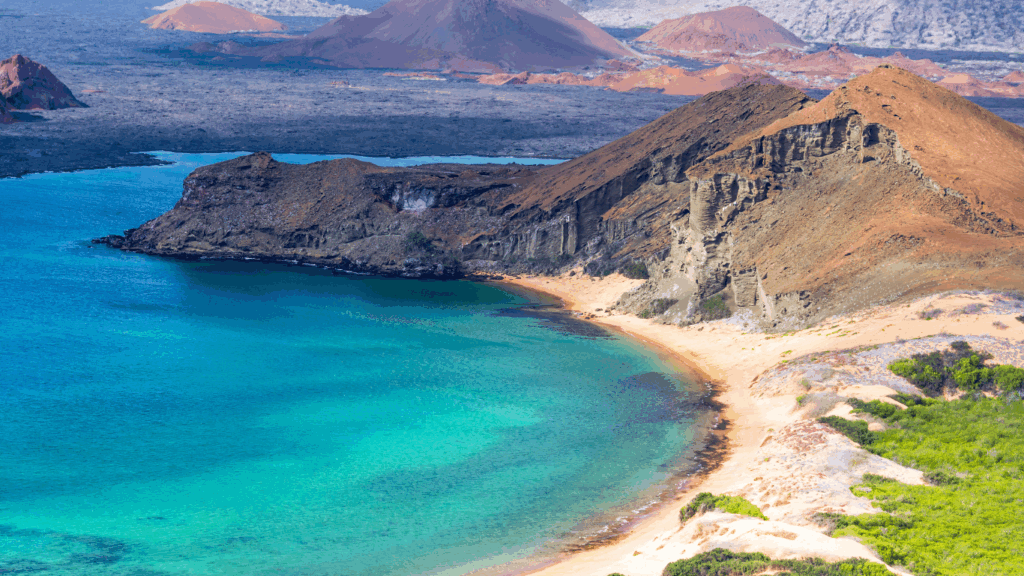
The Galapagos were created by volcanic activity deep under the Pacific Ocean. They sit on what is known as a “hotspot,” and as tectonic plates continue move, new islands form while older ones slowly erode away.
This is why the Galapagos doesn’t look like a typical tropical destination, and also why if you Google ‘how many islands are there’, there is a huge range of different answers. The real answer is that it’s always changing (we take our data from the official Galápagos Conservancy).
Because of volcanic activity, instead of lush jungle everywhere, many islands are covered in black lava rock, dry vegetation, and strange-looking plants that have adapted to harsh conditions. Some islands are still volcanically active today, and eruptions have been recorded in recent decades.
The islands’ isolation and distance from the rest of the continent has resulted in their evolution in isolation, and this includes the animals and plants.
Many species exist only in the Galapagos, including the famous giant tortoises, marine iguanas, and several types of finches. This unique wildlife is one of the main reasons the islands are so carefully protected today.
The Galapagos were discovered by accident in 1535, when a Spanish bishop named Tomás de Berlanga was sailing from Panama to Peru and his ship drifted off course. Unlike other destinations in the world, there is no evidence that the Galapagos had permanent human inhabitants before Europeans arrived.
When he reached the islands, he found a dry, harsh landscape with very little fresh water, but he also noticed the large tortoises that later gave the islands their name. The word “Galapago” comes from an old Spanish term for saddle, which described the shape of the tortoises’ shells.
For many years after this discovery, the islands were too remote, too dry, and too difficult to live on, so they became a stopping point for passing ships as opposed to an actual settlement.
Pirates, whalers, and early visitors
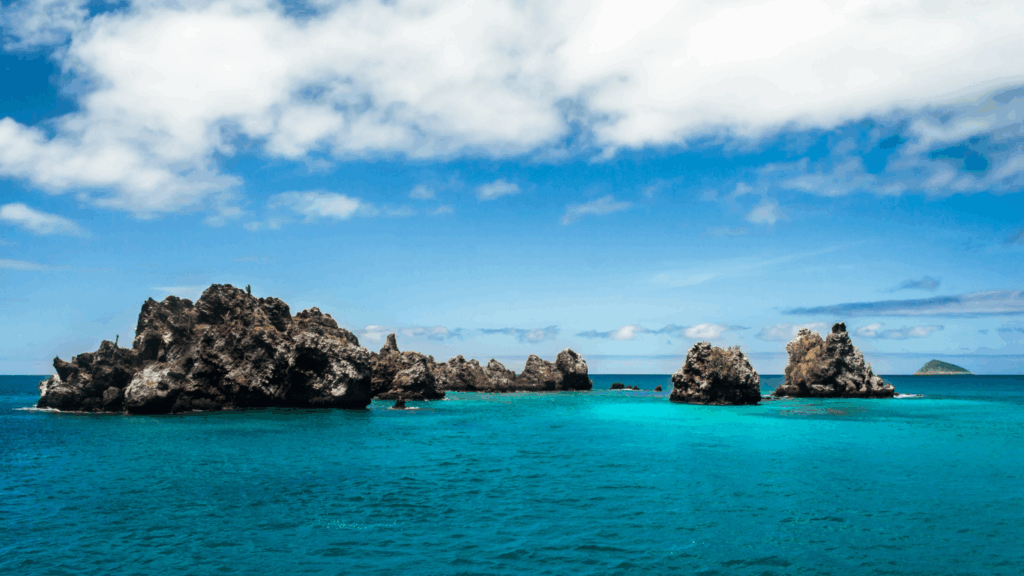
From the 1600s to the early 1800s, the Galapagos was mostly used by pirates, whalers, and explorers.
The islands were a useful place to rest, repair ships, and collect food. Giant tortoises became a popular source of meat because they could survive for months without food or water, making them easy to keep alive on long sea voyages.
Unfortunately, this led to a huge decline in the tortoise population, as thousands were taken from the islands over the years. Other animals were also affected when sailors introduced goats, pigs, and rats, which damaged the natural environment.
These early visits changed the ecosystem in ways that are still being managed today. Some of the conservation work in the Galapagos focuses on removing invasive species that arrived during this period.
Charles Darwin and the theory of evolution
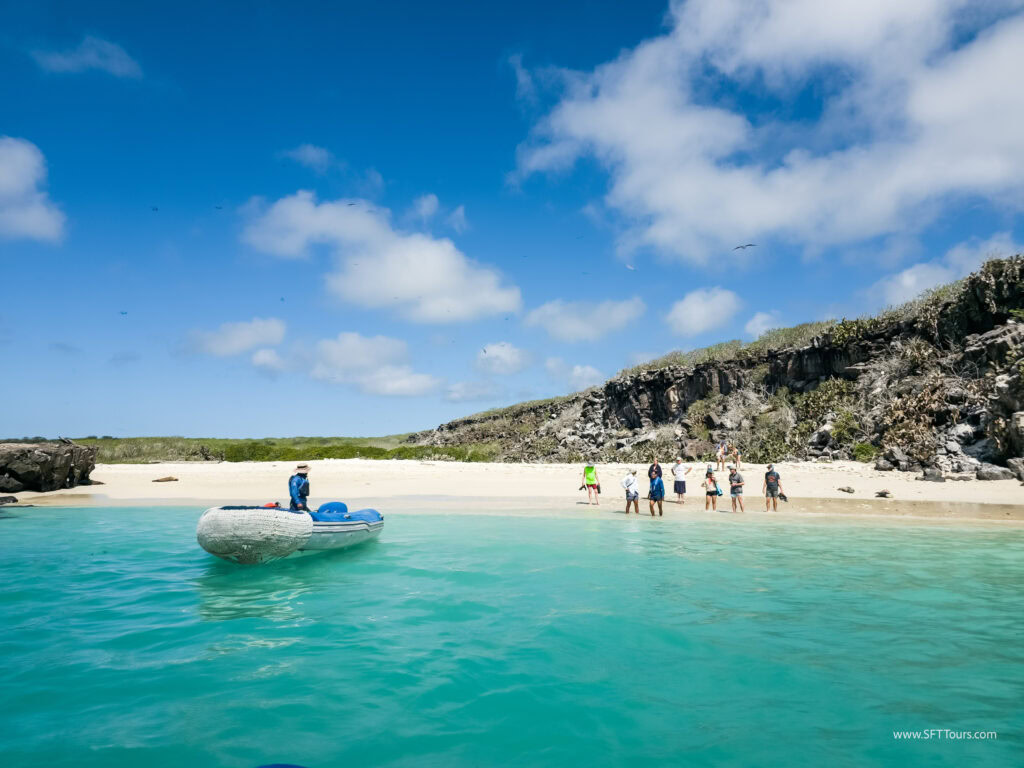
In 1835, British naturalist Charles Darwin visited the islands during a voyage on the HMS Beagle and he noticed that animals on different islands were similar but not exactly the same.
For instance, the finches had different beak shapes depending on what food was available, and the tortoises had slightly different shell shapes depending on the island they lived on.
These observations helped Darwin develop his theory of evolution by natural selection, which later became one of the most important scientific ideas in history.
Today, Darwin’s visit is one of the reasons the Galapagos is known around the world, and when you visit, you’ll find that many places are named after him.
Ecuador takes over
Ecuador officially claimed the Galapagos Islands in 1832. Life on the islands was difficult, and early attempts to establish colonies often failed because of lack of water, poor soil, and isolation from the mainland.
Small communities eventually developed on a few islands, especially Santa Cruz, San Cristóbal, and Isabela, where most of the population still lives today. Even now, the number of residents is limited compared to most places, and strict rules control how much development is allowed.
By the mid-1900s, scientists and conservationists realized that the islands needed protection. Wildlife populations had already been reduced, and there was concern that tourism and settlement could cause permanent damage if not controlled.
In 1959, Ecuador created the Galapagos National Park, which protects about 97% of the land area of the islands. Later, the surrounding ocean was also protected as a marine reserve, making the Galapagos one of the largest protected areas in the world.
Because of this, tourism is highly controlled, and every visitor needs to abide by a strict set of rules, like remaining on marked trails, maintaining a distance of at least six feet (two meters) from wildlife to avoid disturbing them, and packing out all your trash. Here you can find the full 14 rules of the Galapagos National Park Directorate (GNPD) that you will be expected to follow.
The goal of tourism in the Galapagos is to welcome visitors in a sustainable way which allows people to experience the islands without damaging them. This system can feel strict at first, but it’s also the reason the islands still look the way they do. Without these controls, the wildlife and landscapes wouldn’t have survived the last century of tourism.
Once you understand the history of the Galapagos, the way travel works here makes much more sense. The rules, the small ships, the limited access, and the careful planning are all part of protecting a place that is still one of the most extraordinary ecosystems in the world.
Quick facts about The Galapagos Islands
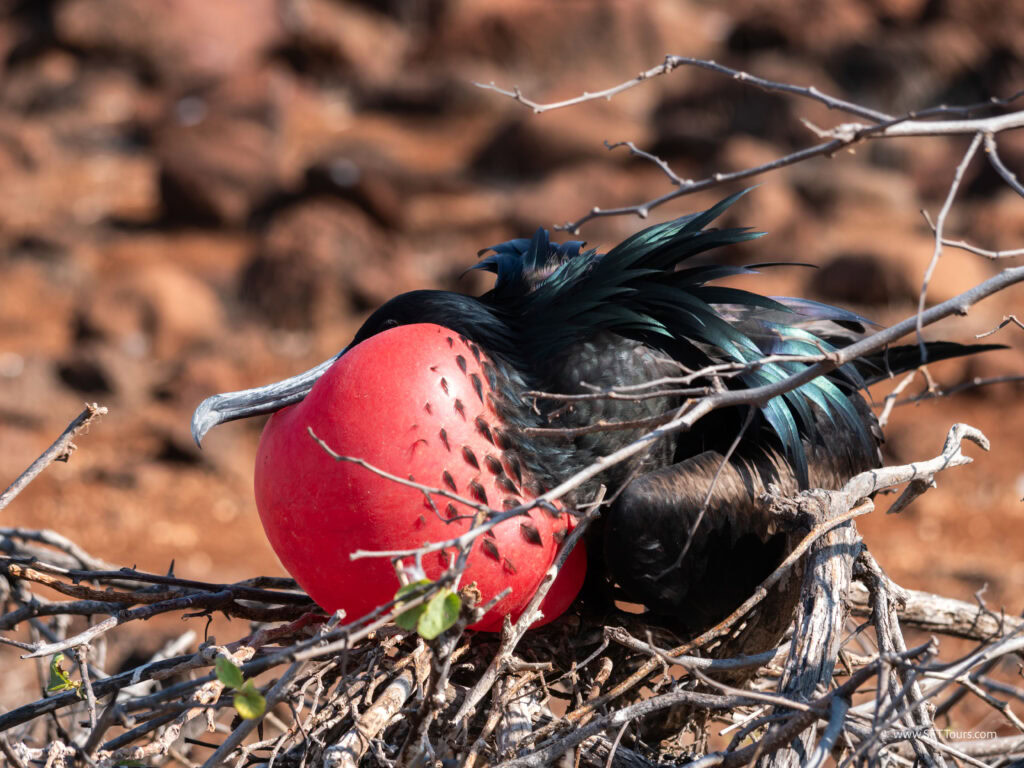
Here are some fun and interesting facts about The Galapagos Islands to put things into perspective.
- The Galápagos Marine Reserve is the 20th largest protected ocean area in the world. 95% of reptiles and 80% of birds are endemic species of animals not found anywhere else.
- The islands were formed by volcanoes and some are still active today. The most active ones, Fernandina Island, is also one of the most volcanically active places on Earth and last erupted in 2024 with lava flows that reached the ocean.
- Giant tortoises can live more than 100 years, and some individuals have lived well over 150. Different islands have tortoises with different shell shapes depending on their environment.
- Marine iguanas are the only lizards in the world that can swim and feed in the ocean. These iguanas sneeze salt out of their noses to remove excess seawater.
- Galápagos penguins are the only penguins that live north of the equator.
- Blue-footed boobies get their bright blue feet from pigments in the fish they eat. During courtship, they show off their feet by lifting them one at a time in a slow dance.
- Sea lions often sleep right on docks, benches, and beaches in the middle of town. I personally saw them sleeping on the bench of a bus stop.
- You need to stay at least about 2 meters (6 feet) away from wildlife, even if the animals come closer to you. Don’t be surprised though if Sea Lions attempt to play with you while snorkelling; but you still shouldn’t touch them. Animals in the Galapagos have evolved to feel no fear of humans which is why they get so close.
- The cold Humboldt Current helps keep the islands cooler than most equatorial places. Because of ocean currents, the Galapagos has both tropical and cold-water species living side by side.
- The total population of the Galápagos is only around 30,000 people. Today, only a few islands have permanent residents.
- The sun feels stronger here because you are on the equator, even on cloudy days. An unfortunate souvenir many tourists take home is intense sunburn (me included).
- Some beaches in the Galápagos have black sand made from volcanic rock. Others have bright white sand made from crushed coral. There are also red sand beaches caused by iron-rich volcanic material.
- Frigatebirds can stay in the air for days without landing. Male frigatebirds inflate a bright red throat pouch to attract females.
Galapagos travel tips
In this section, we will discuss various travel tips that will come in handy during a visit to the Galapagos.
When to visit
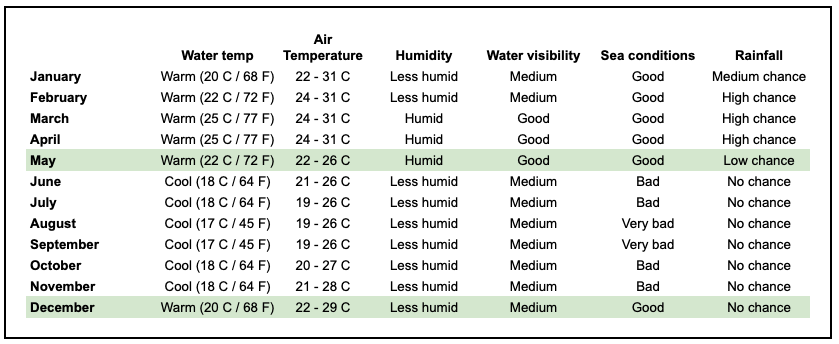
The Galapagos is one of those places you can visit year round. There’s no “bad” time to go, but there are differences in weather, sea conditions, and wildlife activity that will shape your experience, so we recommend you choose a time of year consciously, based on what activities you’re planning to do.
The islands sit on the equator, so temperatures don’t swing dramatically like they do in other parts of the world. Instead, the year is split into two main seasons: a warm/wet season and a cool/dry season. Both are good, just different.
We plan our trips in May and December during the warm dry season, because they combine good visibility and sea conditions with warmer water and surface temperature. Humidity is higher in May than in December.
Peak season is usually Mid-June to early September, and Mid-December to mid-January, not because of the weather and sea conditions but because these months align with global holidays, so availability can be tighter and cruise prices more expensive.
December to May (Warm Season) – our choice
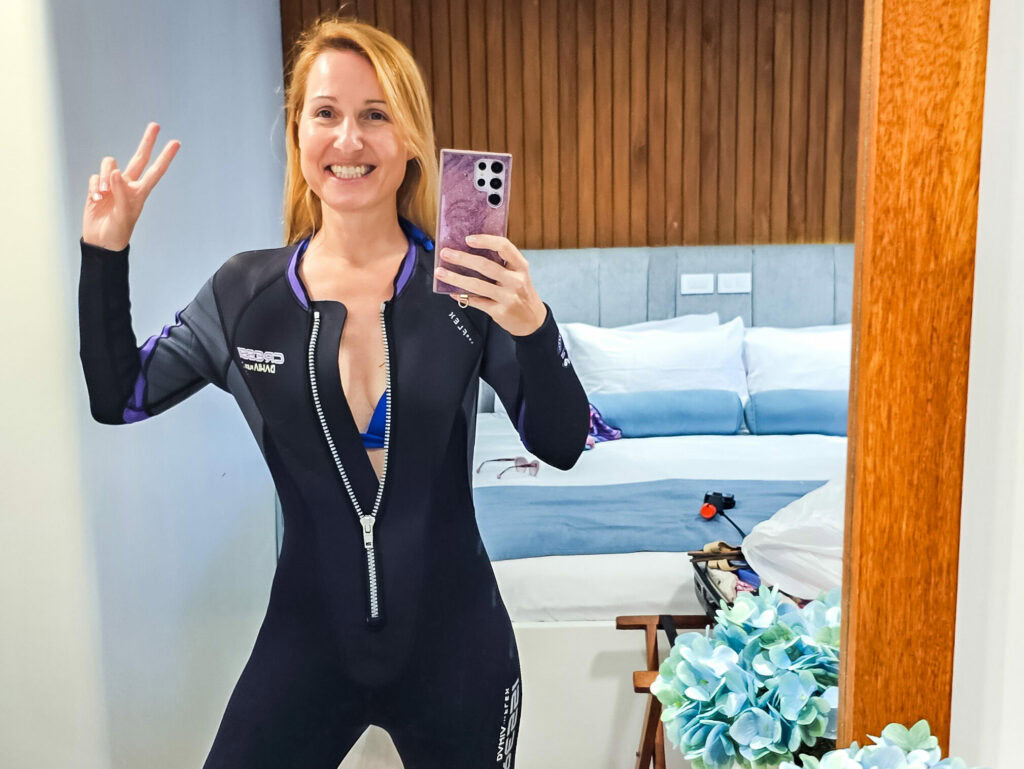
This is generally the easiest and most comfortable time to visit, especially if you’re new to expedition-style travel, but rainfall is common between January and April, hence our choice of travel during the months of December and May, both of which are the perfect shoulder season months with the best of both worlds.
- Air temperatures are warmer (around 25–30°C / 77–86°F)
- Water is warmer and comfortable for snorkeling
- Seas are calmer, with smoother crossings between islands and better visibility
- Skies are clearer, with occasional short tropical showers
- Landscapes are greener and more lush
In your packing list, you’ll see a strong focus on lightweight clothing, swimwear you’ll actually want to wear daily, and sun protection (hat, sunglasses, SPF — the sun is intense).
Even though this is called the “wet” season, rain usually comes in short bursts rather than full days, so it rarely disrupts activities. If you’re someone who prefers calmer seas or you’re unsure how you’ll handle motion sickness, this is the safer choice.
June to November (Cool Season)
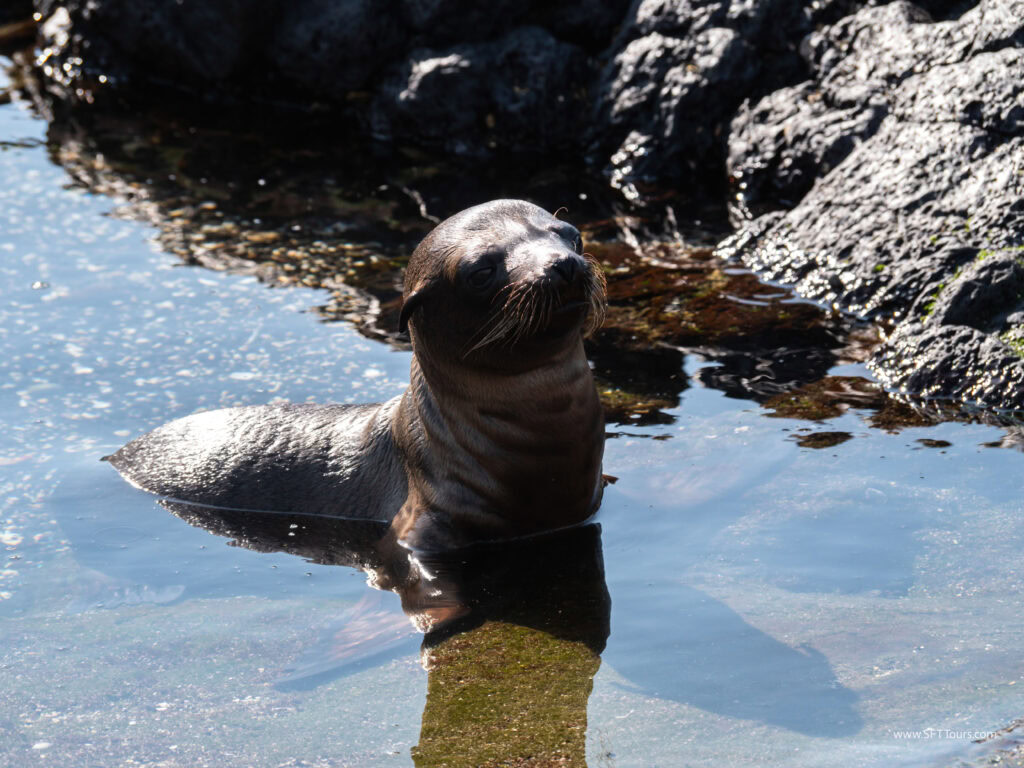
This season feels very different, even though you’re still on the equator.
- Air temperatures are slightly cooler (around 20–25°C / 68–77°F) but dry
- Water is noticeably colder due to ocean currents, even with a wet suit, because you will snorkel for an hour at a time
- Seas can be rougher, especially between islands
- Skies are often overcast or misty even if it does not rain
- Wildlife activity is excellent, particularly marine life
This is where some of the “why” behind your packing list really makes sense:
- A light jacket or layers becomes useful
- Rash guards or wetsuits are much more appreciated
- Motion sickness tablets are strongly recommended
- Quick-dry clothing helps when conditions are cooler and breezier
The cooler water actually brings in nutrient-rich currents, which attract more marine life. So while it may feel less tropical, it’s an incredible time for wildlife encounters – if you can stand being in the water when it’s cold!
That said, the Galapagos doesn’t have a “best wildlife season.” Animals are active all year, but different species behave differently depending on the month. Sea lions, birds, and reptiles can be seen year-round, marine life can be richer in cooler months, and breeding and nesting cycles vary by species.
But the key thing to understand is that you’ll see incredible wildlife no matter when you go.
Passport, visa & entrance fee requirements
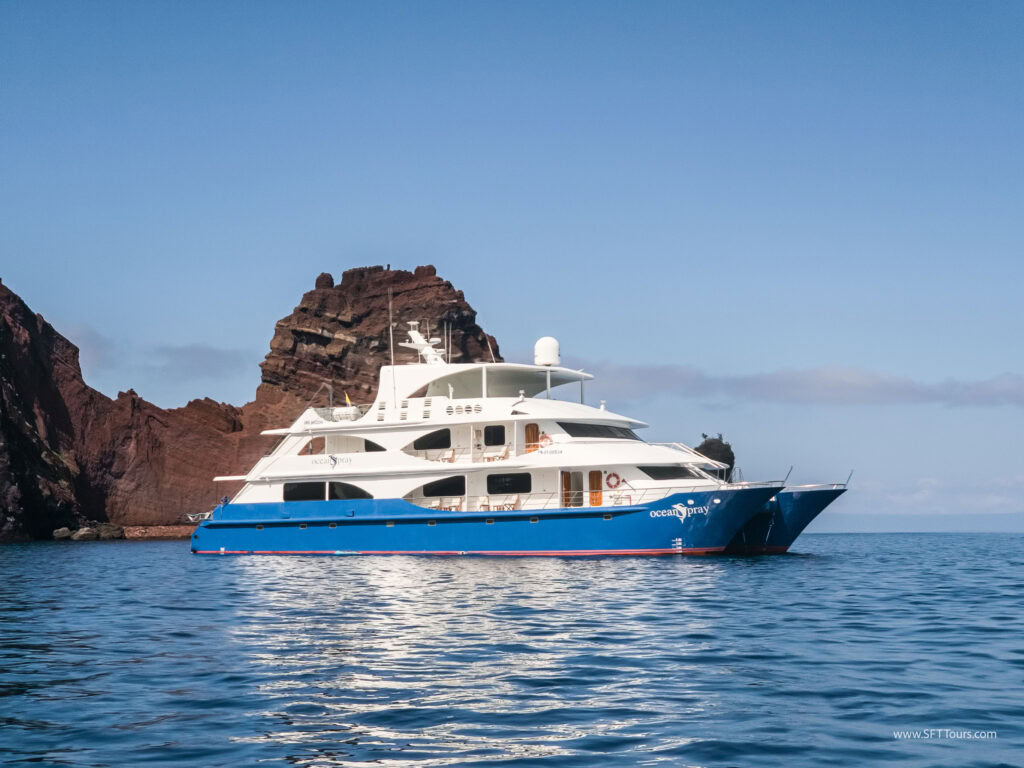
Entry to the Galápagos is straightforward, but there are a few extra steps and fees to know about.
The Galapagos Islands are part of Ecuador, so Ecuador’s entry rules apply. For most travelers (including Australia, the US, UK, Canada, and most of Europe), you don’t need a visa for tourist stays up to 90 days, your passport must be valid for at least 6 months from your date of entry, and you may be asked for proof of onward travel.
Check Ecuador’s cancilleria site for the latest requirements and whether your nationality needs a visa. If you do need a visa, you’ll need to organize this in advance, as it’s not something you can get on arrival.
Daily flights to the Galapagos run from mainland Ecuador, from the main airports in Guayaquil and Quito (Tababela). You can book them through LAN-Ecuador and Avianca (airfares are pretty similar). Non-residents cannot book a one-way ticket to the Galapagos, so you’ll need to book a return.
You will also need to complete:
- Transit Control Card (TCT). You can purchase this at the airport in Quito or Guayaquil (check your specific package to confirm if this is included in your SFT tour). It costs $20 and tracks visitors entering the island
- Biosecurity screening: This is an online form declaring that you are not carrying prohibited items like plants, seeds, or untreated foods. Your luggage will be checked, so you should declare any items if you’re asked to.
- Galapagos National Park Entrance Fee: US$200 for adults (12+) and US$100 for children (under 12), payable in cash (USD). You’ll pay this when you land in the Galapagos – please check your specific package to confirm if this is included in your SFT tour (ie it will be if we are arranging your flights).
These contributions go directly toward conservation initiatives, helping protect the islands’ unique ecosystems and ensuring they remain pristine for future generations.
Health & Safety
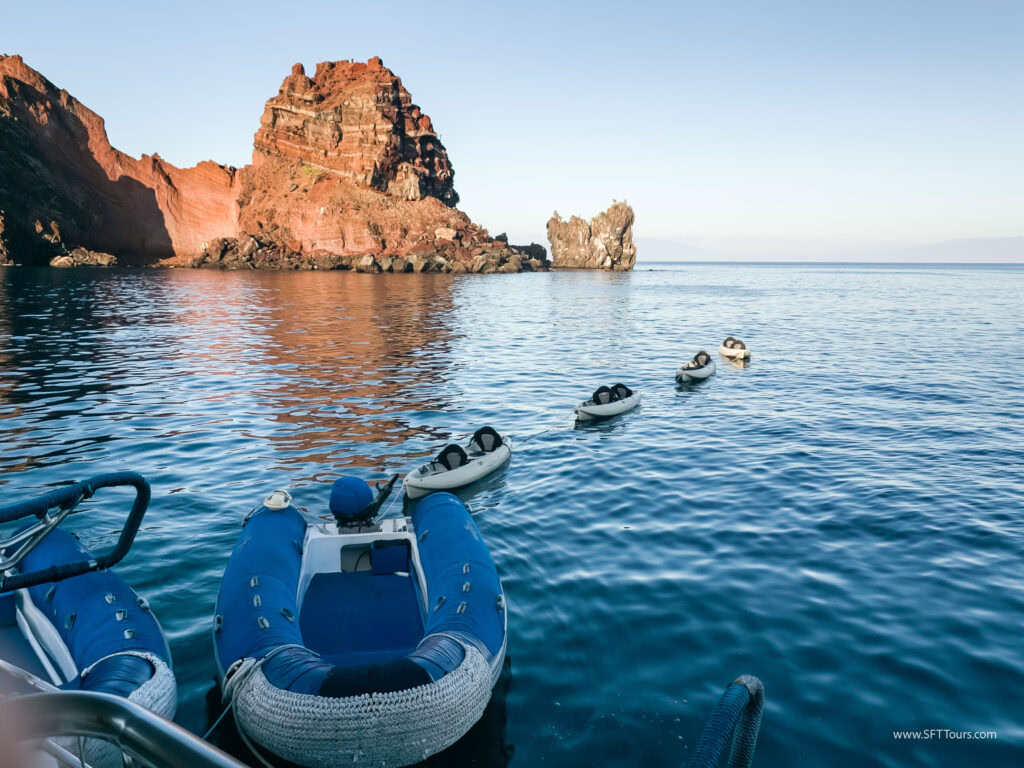
The Galapagos Islands are remote, and there are no pharmacies or clinics you can just drop into. Small things like a blister, sunburn, and dehydration can feel bigger when you’re wet and cold, so it’s important to be prepared and take your health and safety seriously.
Personal safety here is less about crime and petty theft, which are relatively low risk, especially if you’re on an expedition ship, and more about health and safety from the weather, wildlife, and the elements / nature.
Bring all the medication you need
We recommend packing for the Galapagos as if you won’t be able to easily replace anything once you’re there, because in most cases, you can’t.
While there are small pharmacies on some islands, options are limited, brands can differ, and you won’t want to spend your trip trying to track down something basic.
Bring enough of any prescription medication for your entire trip, plus a buffer in case of delays. Always keep this in your carry-on, not your checked luggage.
It’s also worth putting together a small, practical “Galapagos kit” with the things people always end up needing: Pain relief (paracetamol / ibuprofen), Antihistamines, Motion sickness tablets or patches, Electrolyte sachets, Blister care and bandaids, Reef-safe sunscreen (this is essential here), anything you personally rely on (migraine meds, inhalers, EpiPens, etc.).
Even though many expedition ships have a doctor or trained medical staff onboard, they’re there for basic care and emergencies only, and supplies are limited. You won’t have access to a full pharmacy or your usual brands.
Also keep in mind that the Galapagos is remote, so if something more serious happens, you may need to transfer to mainland Ecuador.
If you bring medication, make sure it is clearly labeled, in original packaging where possible, and compliant with Ecuador’s entry regulations.
Seasickness
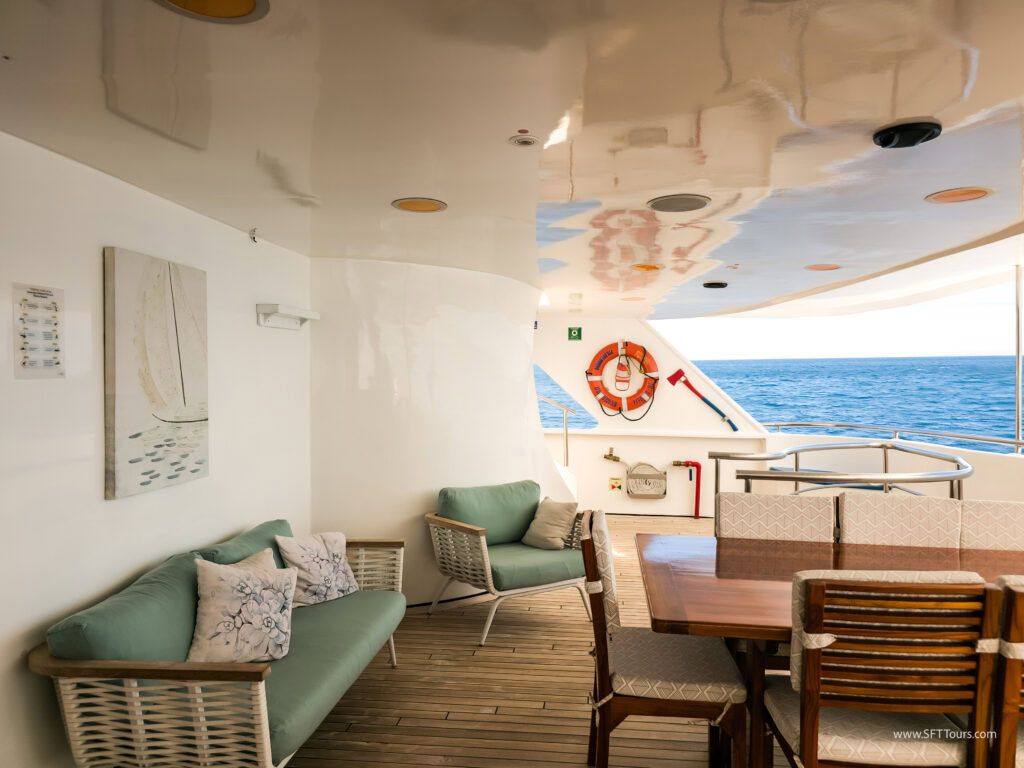
Let’s talk about seasickness, because it can happen in the Galápagos, and it’s one of the most common questions we get from women joining this trip.
The difference here compared to somewhere like Antarctica is that you’re not doing one long, intense crossing. Instead, you’ll have shorter inter-island journeys, often overnight or early in the morning. Some days are completely calm, others can be a bit bumpy depending on the season and the route.
Most of the time, conditions are manageable, especially in the warmer months, but the ocean still has a say. You don’t get to choose whether you get a glassy crossing or a slightly choppier one.
On most Galapagos cruises what it actually feels like is a gentle rocking at night, some crossings are barely noticeable, and others can feel more like a steady sway. It’s rarely extreme, but some people do feel it, especially on the first day or two.
Most people feel perfectly fine, and settle into it really well within a day or two. If you know you’re sensitive though, it’s worth being proactive rather than waiting to see how you feel. We recommend talking to your doctor before your trip, bringing motion sickness remedies with you, and taking them early, not after you start feeling sick.
Insurance with medical coverage
This isn’t the part to skim.
The Galapagos may feel easy once you’re there, but it’s still a remote destination, and access to advanced medical care is limited. While there are basic clinics on some islands, anything more than minor treatment may require transfer to mainland Ecuador.
That’s where costs can escalate quickly.
Evacuations are expensive, and logistics can take time depending on weather, location, and availability. While serious incidents are rare, they do happen, and this is one of those trips where being properly covered really matters.
It’s also worth remembering that you’ll be in an active environment:
- Getting in and out of small boats
- Walking on uneven volcanic terrain
- Swimming and snorkeling regularly
Most of the time this is straightforward, but it does mean there’s a higher chance of minor injuries if you’re not paying attention. And in a remote location, even small issues can become more complicated to manage.
If you’re spending time on a ship, it’s important to check that your policy includes cruise coverage, and you should make sure you are covered for all of the activities you plan to take part in. Also consider practical things like whether you need to pay up front and claim later, or if your insurer coordinates and pays directly for evacuation and treatment.
Keeping dry
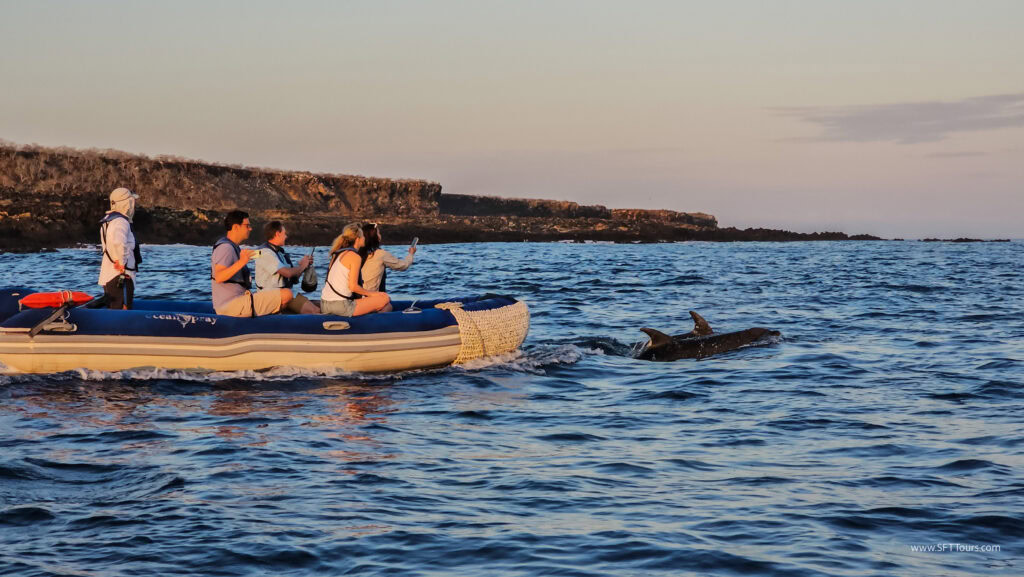
What you wear in the Galapagos is less about staying warm, and more about staying dry, protected, and comfortable throughout the day.
You’ll be in and out of the water regularly, whether that’s snorkeling, beach landings, or getting on and off Zodiacs, and it’s very normal to get splashed or fully wet during excursions. Add in strong sun, salt water, and changing conditions, and what you wear starts to matter more than you might expect.
This is why our packing list focuses so heavily on quick-dry clothing, swimwear you can wear often, lightweight layers, and proper sun protection like rash guards and hats.
While you don’t need heavy waterproof gear like you would in colder destinations, a lightweight waterproof jacket is still worth bringing.
Zodiacs can get splashy, sudden rain showers do happen, and wind on open water can make you feel cooler than expected. Water-resistant clothing is fine most of the time, but having at least one proper waterproof layer makes a noticeable difference on longer or breezier outings.
Quick-dry clothing is one of the most useful things you’ll pack. You might snorkel in the morning, change quickly, and head back out again in the afternoon, so being able to dry off and stay comfortable between activities really matters. Sitting in damp clothes all day is one of those small things that can quietly make the trip less enjoyable.
Footwear is just as important. You’ll be walking on wet rocks, sand, and uneven volcanic terrain, so having the right shoes helps you stay steady and comfortable throughout the day.
Sunburn
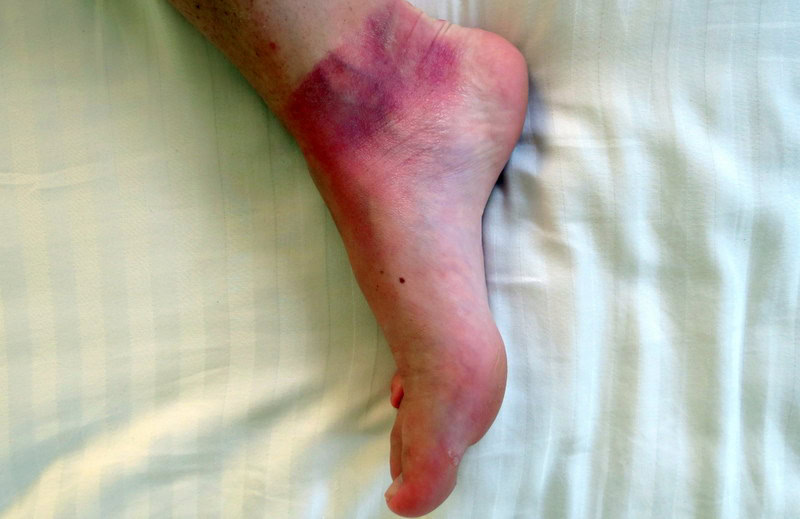
I personally got sunburned while in the Galapagos, and despite wearing a full body wetsuit, I missed applying cream to my ankles, and ended up with a burn so severe that I wasn’t able to walk for days.
Sunburn and dehydration are two of the most common issues expedition doctors see. You’re right on the equator, which means UV exposure is intense year-round. But what catches people off guard is how it actually feels.
There’s often a breeze, so you don’t feel the heat building. You’re in and out of the water, which cools your skin, but the sun reflects off the ocean while you’re snorkeling or on Zodiacs so you’re getting hit from multiple angles, without that obvious “I’m overheating” warning.
This is why people burn quickly, often without realizing it until later, including someone like myself who prides themselves on being sunsmart.
Where people forget to apply sunscreen is usually ankles (learned this the hard way), tops of your feet, back of your neck, your ears, hands, and the underside of your chin.
I highly recommend applying SPF 50+ sunscreen every morning, even if it’s cloudy, and reapplying after swimming or snorkeling. Use reef-safe sunscreen (this is important in the Galápagos), wear a rash guard or long sleeves when possible, and use SPF lip balm – lips burn faster than you think. It’s also important to wear UV-protective sunglasses.
Dehydration
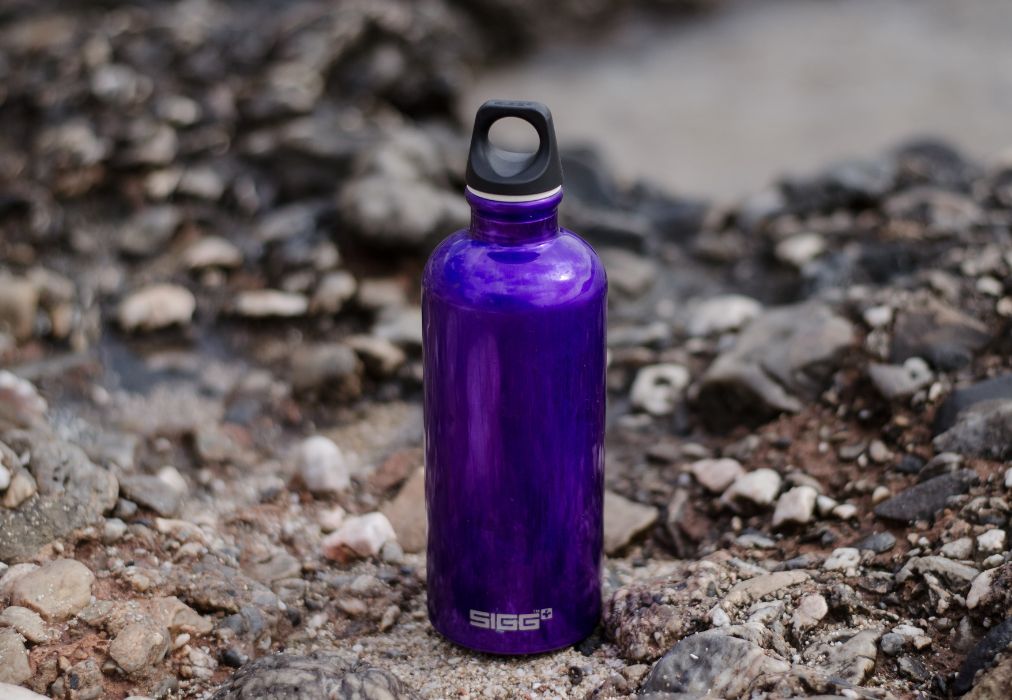
Just like sunburn, dehydration will sneak up on you quietly in the Galapagos, and most people don’t realise it until they’re already feeling off.
Between the heat, constant sun exposure, salt water, and the active nature of the itinerary, your body is losing fluid throughout the day even if you don’t feel particularly sweaty or thirsty.
Add in the fact that you’re often moving between activities like snorkeling, walking on uneven terrain, and getting in and out of boats, and it’s easy to go longer than you should without properly rehydrating.
Trust me when I say that this doesn’t always feel obvious. You might just notice a slight headache, low energy, or that you’re feeling a bit flat or sluggish, which many people put down to travel fatigue when it’s actually dehydration. Being in and out of the water can also be misleading, because you feel cool, so you don’t think to drink as much as you normally would in a hot climate.
The simplest way to manage it is to be intentional about drinking water throughout the day, rather than waiting until you feel thirsty.
Carry a reusable bottle, keep it with you during excursions, and take regular sips even when you’re not thinking about it. Electrolytes can make a noticeable difference, especially if you’re prone to dehydration or if you’ve been particularly active. It’s a small habit, but it has a big impact on how you feel day to day, and it helps you stay energized for everything you’re there to experience.
Follow ship & staff safety instructions
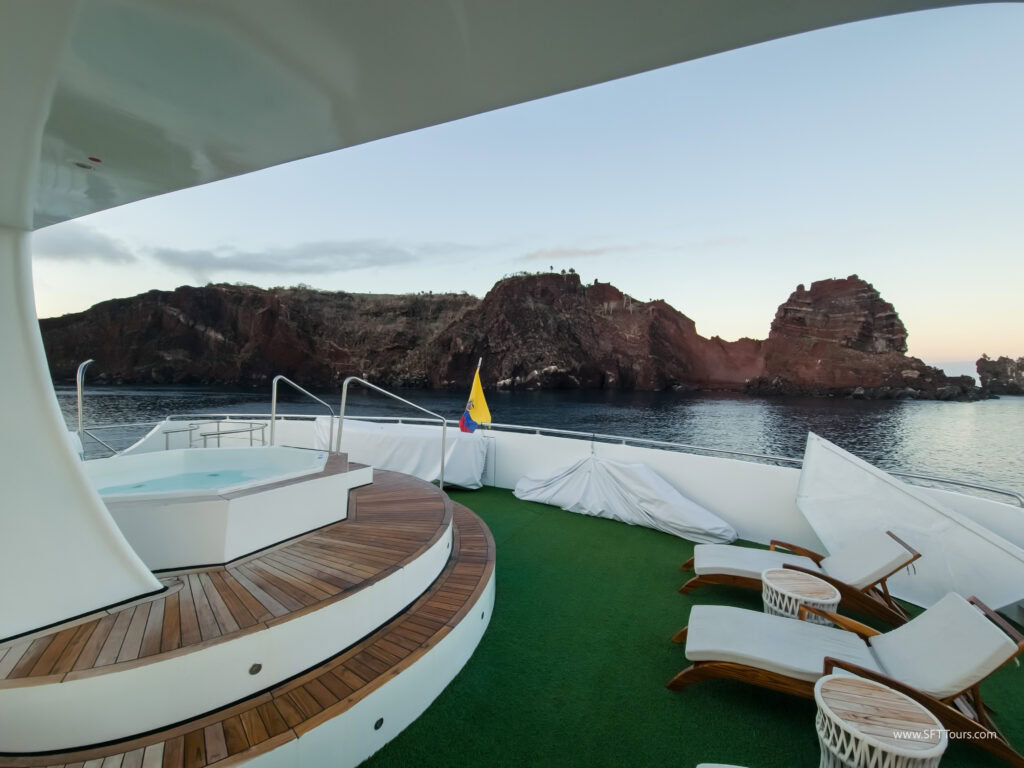
If you’re taking an expedition ship, your expedition team are there to ensure your safety, and they do this every day. They know the routes, the landing sites, the sea conditions, and how wildlife behaves. So when they ask you to do something (or not do something), it’s based on experience, and it’s important that you follow their instructions.
At the start of your trip, you’ll go through a safety briefing and emergency drills, including how to use life jackets and what to do in the unlikely event of an emergency. These are straightforward, but worth paying attention to.
You’ll also be getting in and out of Zodiacs regularly. These small inflatable boats are how you reach landing sites, and the crew will guide you through exactly how to board and disembark safely. It’s usually quick and easy, but it does require listening and following their instructions each time.
When you’re on land, stick to marked paths and designated areas. It can be tempting to step slightly off trail for a better photo or a closer look, but the terrain can be uneven, and more importantly, the rules are there to protect both you and the wildlife.
The Galapagos is carefully managed, and staying within guidelines is part of preserving it.
Wildlife specific safety
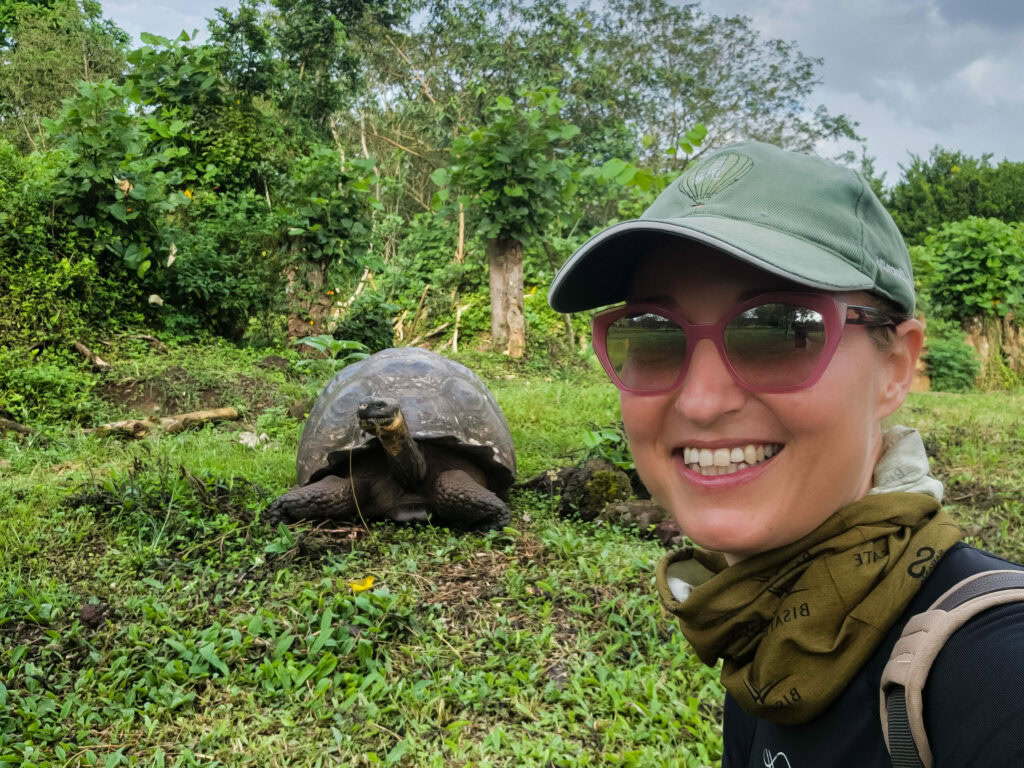
Wildlife safety in the Galapagos comes down to two simple principles: respect the animals by keeping your distance, and follow the instructions of your guide.
One of the most incredible parts of visiting the Galápagos is how close wildlife can get to you.
Sea lions are literally sleeping on bus stop benches (I had to stand!), marine iguanas stretch out across walking paths, and birds nest just meters away without any concern. It’s a very different experience from anywhere else, and it’s what makes the islands so special.
But it’s important to understand why this happens.
The animals here aren’t tame – they’re simply not afraid of humans because they evolved without natural predators. And it’s our responsibility to keep it that way.
You’ll be asked to keep a minimum distance from wildlife, usually around two meters, even if the animals come closer to you. And they often will.
If a sea lion swims up while you’re snorkeling, or an iguana is sitting on the path ahead of you, the best thing you can do is pause, give them space, and let them move on in their own time.
It can be tempting to step closer for a photo or adjust your position slightly, but that’s exactly what you want to avoid. Don’t move into their space, don’t block their path, and don’t try to interact with them in any way.
Your guides will remind you not to touch or feed wildlife, and this is taken seriously. Even small interactions can cause stress, introduce bacteria, or change natural behaviour over time.
The magic of the Galapagos is that the wildlife behaves naturally around you. It’s our job to keep it that way.
Travel essentials for The Galapagos
In this section we will look at a range of other things to consider when traveling to the Galapagos as a solo female traveler.
Plugs & power
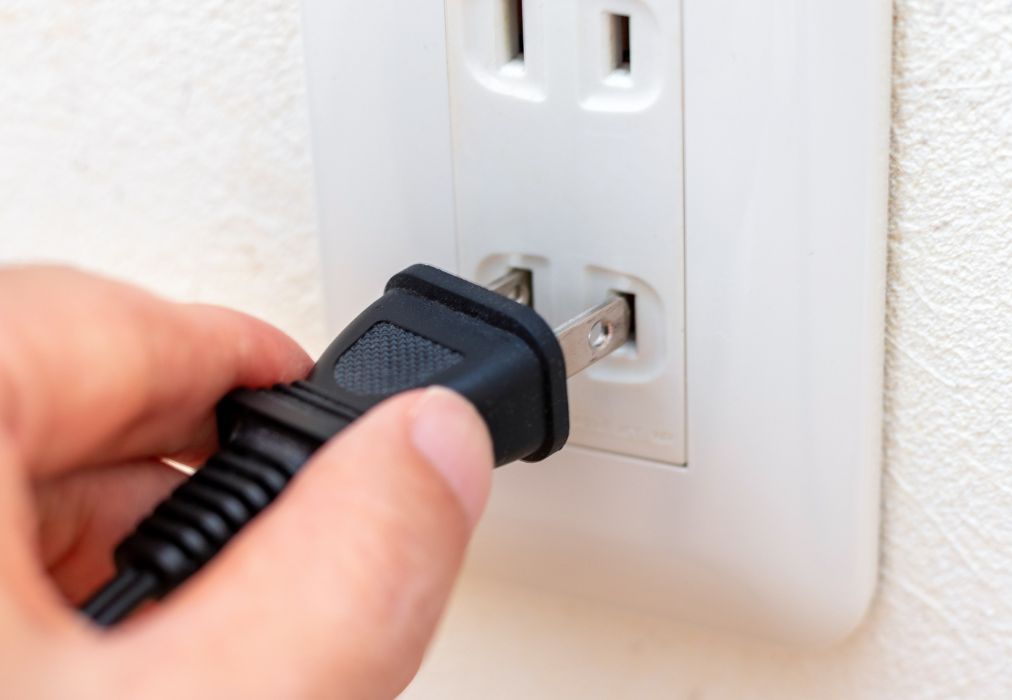
On land in the Galapagos, power follows the standard for Ecuador, which is 120V with Type A and B plugs (the same as the US). If you’re traveling from Australia, the UK, or Europe, you’ll need a plug adapter, though most modern electronics like phones and laptops will handle the voltage without issue.
On board your ship, power setup can vary slightly depending on the vessel. Many expedition ships offer a mix of 120V and 220V outlets, sometimes including European-style sockets, but availability can be limited in cabins.
It’s worth bringing a universal adapter and possibly a small multi-plug or USB hub so you can charge everything easily, especially with cameras and devices in regular use. Check with your ship what their specific power plugs may be.
Staying connected
The Galapagos isn’t the place to rely on fast, constant internet. You won’t be streaming, taking video calls, or scrolling endlessly at night, and that’s part of the experience. Expect to disconnect more than usual, and honestly, I didn’t miss it once I’d settled in.
You may have some mobile signal and basic Wi-Fi in towns when you’re spending time on land, but it can be slow and unreliable.
Once you’re on the ship, connectivity becomes more limited, and even though many expedition ships do offer onboard Wi-Fi with a daily allowance, speeds can be slow.
Once you’re out between islands, mobile service generally drops out completely. There are no cell towers out at sea, and roaming won’t work the way it does in cities.
It’s worth preparing ahead of time by downloading anything you might want during the trip, whether that’s maps, books, podcasts, or playlists. At the same time, you’ll likely find that between excursions, briefings, and time spent on deck, you won’t have much downtime anyway.
One small tip that makes a big difference is turning off automatic photo backups and app updates on your phone, so you’re not using up bandwidth without realizing it.
I’ve personally found that the easiest way to approach this is to lower your expectations slightly. Some days you’ll have a bit of signal, others you won’t, and accepting that upfront tends to feel much better than getting frustrated with slow or patchy Wi-Fi (been there, done that, and I’ve learned from experience!).
Money and currency

The Galapagos Islands use the US dollar (just like Ecuador).
On land, cash is the most reliable option for things like small souvenirs, snacks, or tips, as card payments aren’t always accepted everywhere. ATMs do exist on the main islands, but they can be limited, so it’s best not to rely on withdrawing money once you’re there.
On board your ship, expenses like drinks, extras, or souvenirs are usually charged directly to your cabin. At the end of the trip, you’ll settle your account, most commonly by credit card, though some ships may also accept cash depending on their policies.
Tipping is customary on Galapagos cruises and is typically given at the end of your trip as a single contribution for the crew and guides (it’s shared among the team). Tipping is always a personal choice, but as a general guideline, we suggest our tours tip the crew 30 USD / EUR per day. Sometimes, tips can be paid by credit card but most times they will have to be paid in cash.
Language
English is widely spoken on expedition ships in the Galapagos, and your guides, crew, and onboard staff will all speak fluent English. You won’t have any issues communicating during your cruise or guided excursions.
On land, the official language is Spanish, as it is in Ecuador. In towns, hotels, and airports you’ll often find basic English spoken, but it’s not guaranteed everywhere, especially in smaller or more local places.
It’s not essential to speak Spanish, but knowing a few simple words can go a long way and is always appreciated.
Hello – Hola (OH-lah)
Good morning – Buenos días (BWAY-nos DEE-ahs)
Good afternoon / evening – Buenas tardes (BWAY-nas TAR-dess)
Good night – Buenas noches (BWAY-nas NO-chess)
Thank you – Gracias (GRAH-see-ahs)
You’re welcome – De nada (day NAH-dah)
Please / Help – Por favor / Ayuda (por fah-VOR / ah-YOO-dah)
Sorry / Excuse me – Perdón / Disculpe (per-DON / dis-KOOL-peh)
Excuse me (to pass by someone) – Permiso (pair-MEE-so)
Meals in the Galapagos
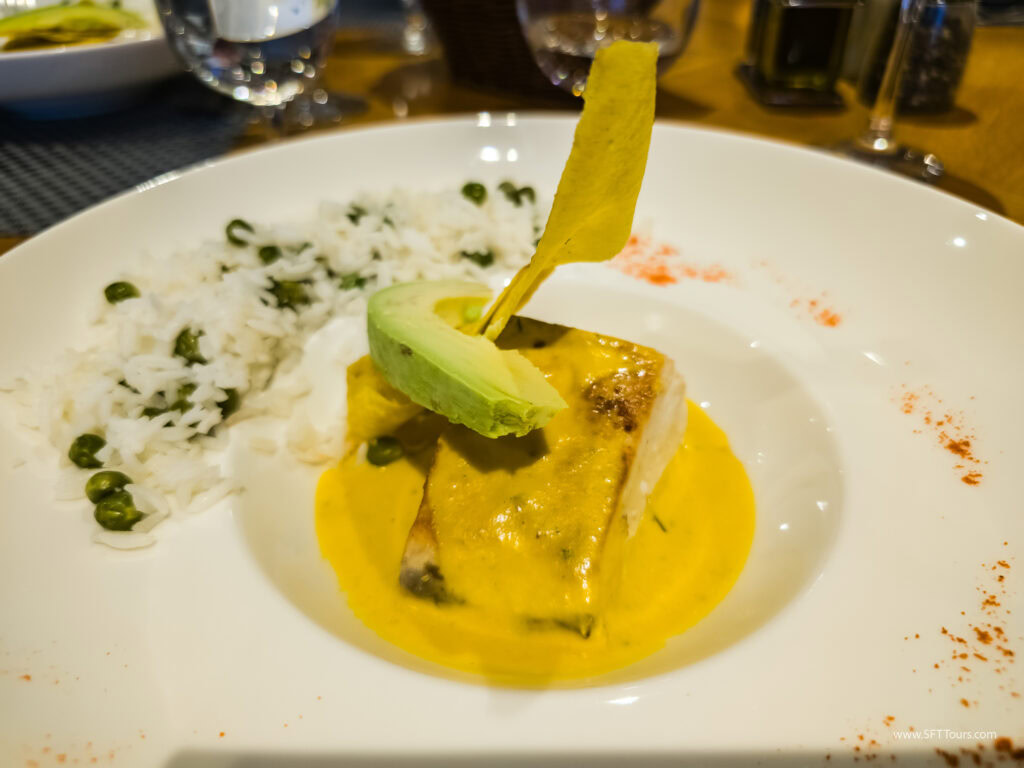
There isn’t really a “Galapagos cuisine” in the traditional sense. Because most travelers spend time on an expedition ship, your menu is shaped by the ship rather than the islands themselves.
On board, meals are typically a mix of international dishes with a strong influence from Ecuadorian and coastal cuisine. You can expect fresh seafood, simple grilled meats, rice, vegetables, tropical fruit, and lighter meals that suit an active itinerary. Breakfast and lunch are often buffet-style, while dinners may be plated, and dietary requirements are usually well catered for if shared in advance.
The rhythm of meals fits around your day, with early breakfasts before excursions, lunch back on board, and dinner after your afternoon activities and briefings. It’s structured, but it works well once you fall into the routine.
If you’re spending time in mainland Ecuador before or after your cruise, that’s where you’ll get more of a “local food” experience. Ecuadorian cuisine is fresh, simple, and very regional, with a strong focus on seafood along the coast.
On the islands themselves, if you have time in towns like Puerto Ayora or San Cristóbal, there are small local restaurants where you can try similar dishes, but options are still relatively limited compared to mainland Ecuador.
Some dishes worth trying include:
Ceviche: Ceviche is one of the most common dishes you’ll come across, especially in coastal Ecuador. It’s usually made with shrimp or fish marinated in citrus juice, giving it a fresh, slightly tangy flavour, and is often served with popcorn or plantain chips for crunch. It’s light, refreshing, and works perfectly in the warm climate.
Encocado: Encocado is a rich, comforting seafood dish cooked in a coconut-based sauce, often with fish or shrimp. It’s a little heavier than ceviche, but full of flavour, with a mix of garlic, herbs, and coconut that makes it feel both hearty and tropical at the same time.
Empanadas: Empanadas are an easy go-to and you’ll see them everywhere. They’re pastry pockets filled with cheese, meat, or vegetables, usually fried or baked and served warm. Simple, filling, and perfect if you just want something quick without overthinking it.
Fresh tropical fruit juices Fresh juices are everywhere, and they’re one of those small things that end up being a highlight. Made from local fruits like passionfruit, mango, or guava, they’re simple, refreshing, and taste far better than anything bottled. Trust me though, once you start ordering them, it’s hard to stop.
Galapagos Photography tips
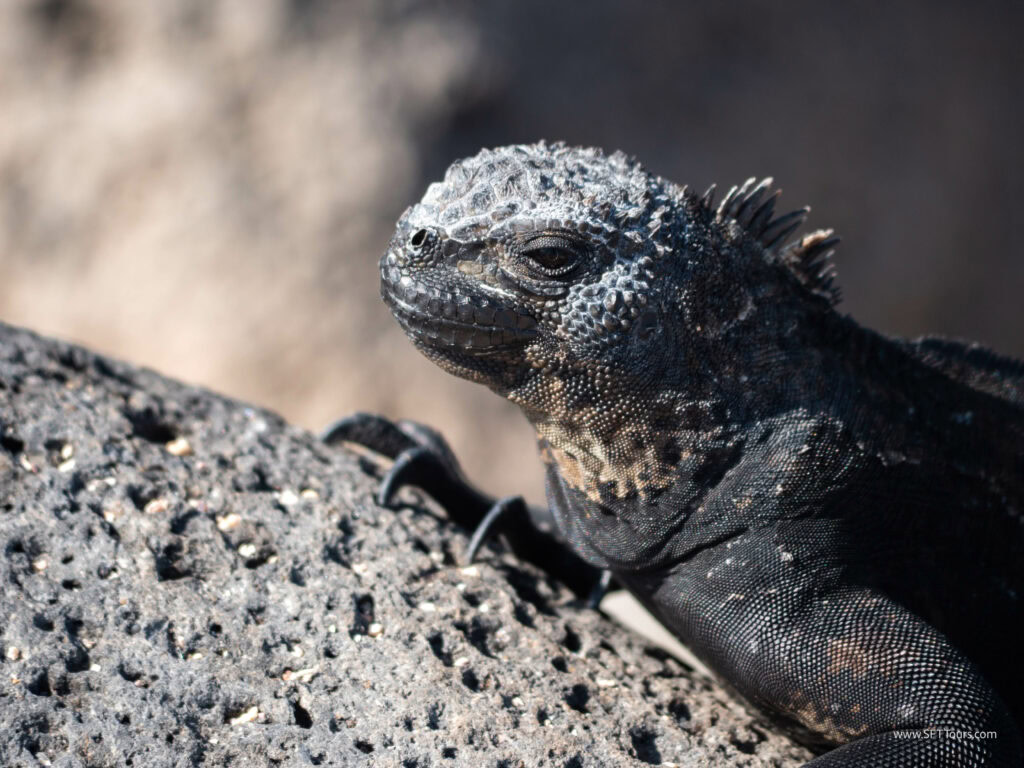
There are souvenir shops in the Galápagos, but honestly, your photos will still end up being your best memories from the trip (plus we always like to advocate for packing light).
Between the wildlife, landscapes, and constant movement between islands, you’ll take far more photos than you expect, and probably want to keep most of them. That said, photographing the Galapagos has some quirks.
First, wildlife always comes before the shot; getting a good shot is not an excuse for moving closer than you should.
If a sea lion wanders into your frame, great. If it doesn’t, leave it. Don’t step toward animals, don’t block their path, and don’t try to position yourself for a better angle. The best photos here come from patience, not proximity.
You’ll also be in and out of Zodiacs, walking on uneven ground, and dealing with water, spray, and sun, so keeping your gear simple and secure makes a big difference. A backpack works far better than loose camera bags, and anything you bring should be easy to handle quickly. You don’t want to be juggling lenses while getting on and off a moving boat.
Unlike colder destinations, battery life isn’t a major issue here, but you will still take a lot of photos. Bring spare memory cards and keep your devices charged when you can.
Salt spray is something people don’t think about, but it builds up quickly, so wiping your lens regularly helps keep your shots clear. If you’re using your phone, it’s also worthwhile checking the storage capacity on your device beforehand, so you’re not caught out like I have been, mid trip and your phone is full.
Drones are generally not allowed in the Galapagos National Park without special permission, so don’t plan on bringing one unless you’ve arranged this well in advance.
In terms of settings, bright sunlight can be harsh, especially around midday. If you’re using a camera, slightly lowering exposure can help avoid blown-out highlights, while faster shutter speeds are useful for wildlife and anything moving on the water. If you’re using your phone, tap to focus and adjust exposure manually when needed – it makes a noticeable difference.
Phones actually work really well here, especially for landscapes and close wildlife encounters, and bonus points if your phone is water proof / resistant. Keep in mind though that if your phone does get wet, it’s often out of action until the port fully dries, for being able to recharge it, and this could mean your main camera goes offline.
For anything further away, a camera with zoom will give you more flexibility, but you don’t need complicated gear to get great photos.
Also – put the camera down sometimes. Some of the best moments in the Galapagos aren’t the ones you capture, they’re the ones you just watch.
How tourism supports conservation in the Galapagos
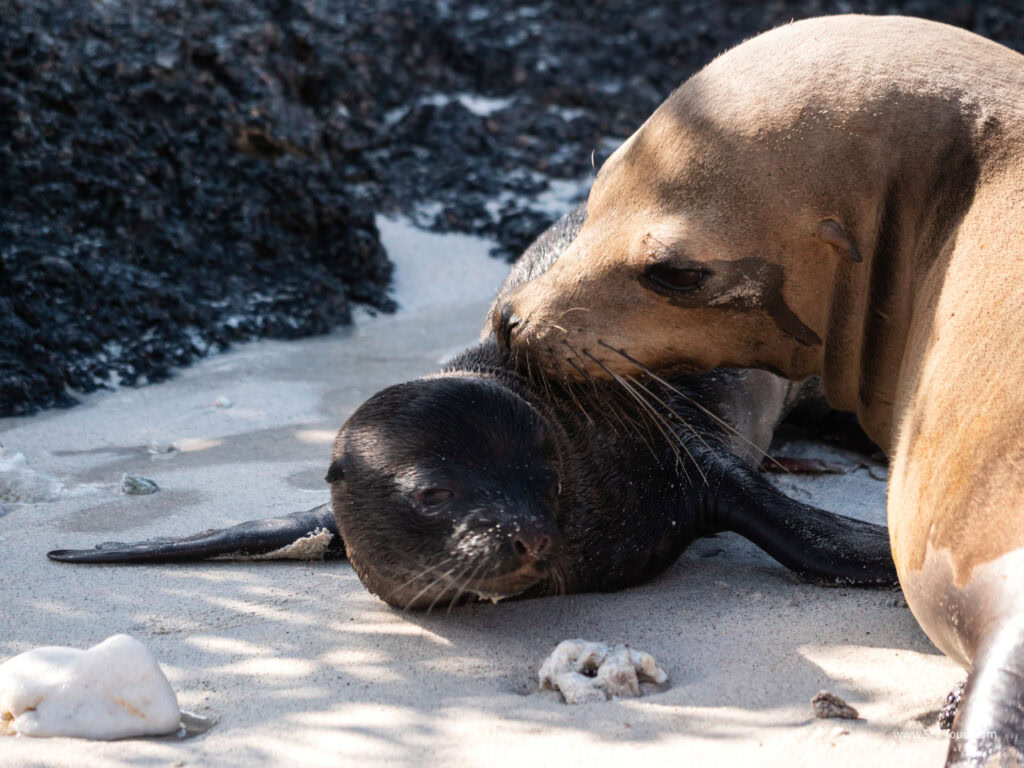
When we talk about travel to places like the Galapagos, a question that often comes up is whether tourism should happen here at all. It’s a fair question, and we’re always open to questioning our values and choices as part of our commitment to constantly learning and evolving our worldview.
At Solo Female Travelers, our view is that when it’s done responsibly, tourism in the Galapagos plays an important role in protecting it.
The Galapagos is one of the most carefully managed destinations in the world. Almost all of the islands are protected as National Park, and both land and marine areas are governed by strict conservation rules.
Visitor numbers are controlled, landing sites are regulated, and all excursions are guided to ensure minimal impact. These aren’t just guidelines, they’re actively enforced, and they’re the reason the islands still feel as untouched as they do.
Cruise-based travel in particular, is designed to reduce pressure on any one location. Instead of large numbers of people staying in one place, small groups move between designated sites, following set schedules that prevent overcrowding and allow wildlife to continue behaving naturally. The number of ship licenses is also controlled as are the number of passengers per ship and the ratio of naturalist to guest (1 naturalist for every 16 guests).
We believe tourism management is the key to the issues that come from tourism mismanagement, and the Galapagos does this extremely well.
Your presence as a visitor also contributes directly to conservation. Entry fees, park permits, and tourism-related revenue help fund environmental protection, scientific research, and the ongoing management of the islands. This includes efforts like controlling invasive species, monitoring wildlife populations, and protecting marine ecosystems.
Many operators also work alongside conservation initiatives, and guides are trained not just to lead excursions, but to educate. You’re not just seeing the Galapagos, you’re learning about it, and we hope that you’ll take some of this valuable learning home with you and remember it long after you leave.
Personally, we have found that people who visit the Galapagos often come away with a much deeper understanding of how fragile these ecosystems are. That awareness doesn’t stop when the trip ends, it carries into how we talk about conservation, how we travel in the future, and the choices we make at home.
The Galapagos has a complicated history, from overexploitation in earlier centuries to the highly protected model it operates under today. Responsible tourism is part of that shift. When done well, it doesn’t take away from the environment, it helps protect it.
Books about or set in The Galapagos
Even though you’ll be learning a lot about The Galapagos once you’re there, it’s still worthwhile to arrive already having an understanding of the history, culture, and wildlife of the islands.
We have put together this reading list of books about or set in The Galapagos. You don’t need to read all of these, but even one or two will change how you see the islands.
The Voyage of the Beagle – Charles Darwin: This is the original account that put the Galapagos on the map. Darwin’s writing follows his journey aboard the HMS Beagle, including his time in the islands, where his observations would later shape the theory of evolution. It’s not just science, it’s part travel diary, part curiosity-driven exploration, and surprisingly readable considering when it was written.
The Galápagos: A Natural History – Henry Nicholls: If you want a clear, engaging explanation of how the islands actually work, from geology to wildlife to evolution, this is one of the best modern overviews. Nicholls breaks down complex ideas into something easy to follow, without losing the wonder of the place. It’s a great primer before you go.
My Father’s Island: A Galápagos Quest – Johanna Angermeyer: This one leans more personal. It tells the story of a woman uncovering her father’s life in the Galapagos, blending family history with the realities of living on the islands. It’s an interesting contrast to the usual wildlife-focused books and gives a sense of what life there has actually been like over time.
Galapagos: Islands Born of Fire – Tui De Roy Part photography book, part storytelling, this is a visually beautiful book on the Galapagos. De Roy grew up on the islands, and that perspective comes through in both the images and the way the wildlife is portrayed. It’s less about facts and more about connection to the place.
Floreana: A Woman’s Pilgrimage to the Galápagos – Margret Wittmer: This is a fascinating, slightly unusual read. It’s the memoir of one of the first settlers on Floreana Island, and it gives insight into what life was like in the early days of human habitation. It’s part survival story, part social history, and feels very different from modern travel writing.
Galápagos: A Novel – Kurt Vonnegut: If you want something completely different, this is a fictional take on the islands. Vonnegut uses the Galapagos as a backdrop for a satirical story about human evolution and survival. It’s strange, clever, and not a traditional travel read, but it adds an unexpected perspective.
The Beak of the Finch – Jonathan Weiner: A Pulitzer Prize-winning book that follows modern scientists studying evolution in real time in the Galapagos. It connects Darwin’s early ideas to what researchers are still discovering today, making the islands feel like a living laboratory rather than just a historic site.
Galapagos: The Enchanted Islands – Lynn Michelsohn and Herman Melville: Written long before modern tourism, this is a series of short sketches inspired by early visits to the islands. It’s more atmospheric than factual, but it captures how mysterious and remote the Galápagos felt to early travelers.
The Galapagos Affair: Satan Came to Eden – John Treherne: This reads almost like a thriller, but it’s based on real events. It tells the story of a group of eccentric settlers on Floreana Island in the 1930s, and the strange disappearances and conflicts that followed. It’s one of the more unusual pieces of Galápagos history and surprisingly gripping.
Movies about or set in The Galapagos
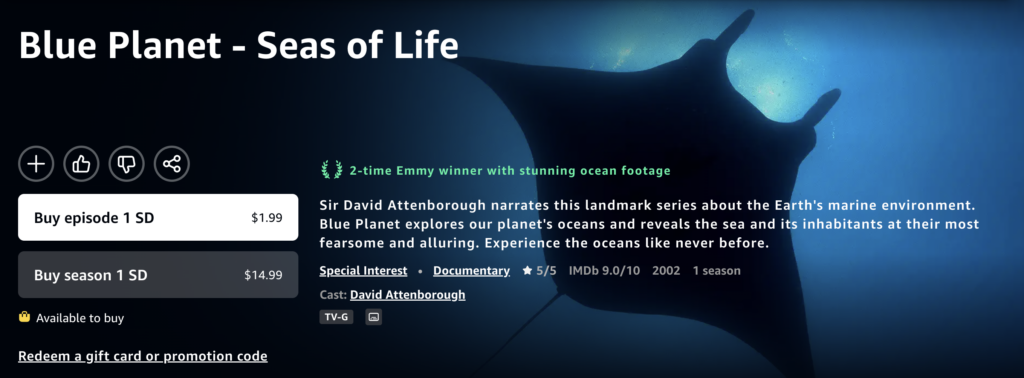
Here’s a curated list of films and documentaries about the Galapagos (and the science and stories connected to it) to get you excited before your trip.
Again, you don’t need to watch everything, but even one or two of these will make a difference. Once you’re there, you’ll start recognising behaviours, species, and landscapes in a way that feels much more connected than just seeing them for the first time.
Galapagos (2006): Narrated by David Attenborough, this is one of the most well-known and beautifully filmed series on the islands. It covers wildlife, evolution, and the unique ecosystems across different islands, and does a great job of bringing the science to life in a way that’s easy to follow.
The Galapagos Affair: Satan Came to Eden (2013) This documentary tells the real-life story of early settlers on Floreana Island in the 1930s, including mysterious disappearances and strange rivalries. It’s part history, part mystery, and gives a completely different perspective on the islands beyond wildlife.
Darwin’s Darkest Hour (2009) A drama rather than a documentary, this film focuses on Charles Darwin after his return from the Galapagos, as he struggles with the implications of his theory of evolution. It adds context to why the islands became so scientifically important.
Nature: Galapagos (PBS) A strong, accessible documentary that focuses on the wildlife you’ll actually see – sea lions, marine iguanas, birds, and more. It’s a good introduction if you want to recognize species before you arrive.
Our Planet – Episode: Coastal Seas (2019) While not exclusively about the Galapagos, this episode features some of the islands’ marine life and ecosystems. It’s visually stunning and gives a broader understanding of how ocean systems connect globally.
Planet Earth II – Islands Episode (2016) Another Attenborough classic, this episode includes footage from the Galapagos and highlights how animals adapt to isolated island environments. It’s less about the destination specifically, and more about the bigger picture of island life.
National Geographic: Galapagos – Realm of Giant Sharks (2012) Focused on marine life, this documentary explores the underwater world of the Galápagos, including shark populations and migration patterns. It’s a great watch if you’re excited about snorkeling or diving.
The Blue Planet (2001) / Blue Planet II (2017) Several segments feature the waters around the Galapagos, showing just how rich and diverse the marine life is. It’s a reminder that a lot of what makes the islands special is actually happening beneath the surface.